




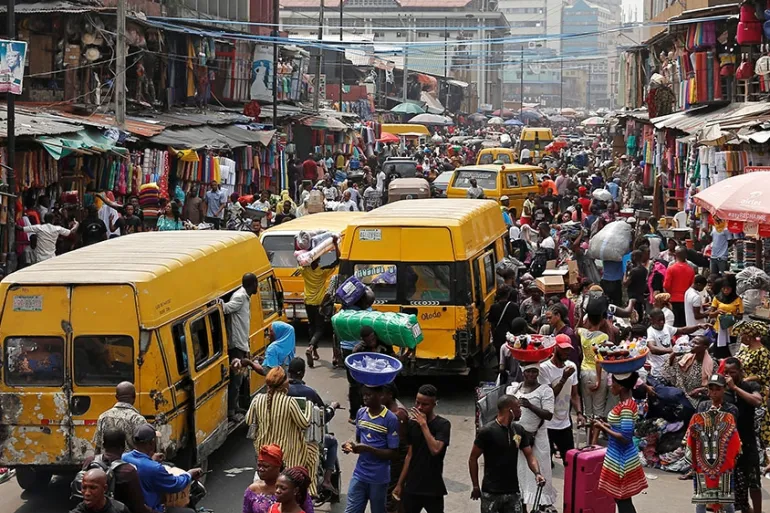
Poverty is not just about how much money you earn. It is also about how you think, spend, plan, and respond to life. In Nigeria, many people work hard yet remain financially stuck, not because they are lazy, but because certain habits quietly drain their resources, time, and opportunities.
Let me be clear: poverty is not a moral failure. Many people are trapped by structural issues: inflation, unemployment, poor governance, family responsibilities, and limited access to capital. But alongside these realities, there are habits that make escaping poverty much harder, no matter how hard you work.
Let’s talk about five of them, honestly, realistically, and without sugarcoating.
1. Eating Without Control or Planning
Food is not the enemy. In fact, no one should go hungry. But eating without budgeting or discipline is one of the most common ways money leaks in poor households.
ALSO READ: Your salary is not the bribe they pay you to forget your dreams
Many Nigerians spend a shocking portion of their income on daily food, not because food is cheap, but because:
- Meals are bought impulsively.
- There is little or no meal planning.
- Cooking at home is replaced with constant takeaways.
- Small daily expenses (₦500 here, ₦1,000 there) add up to tens of thousands monthly.
Research on household spending patterns consistently shows that low-income earners spend a higher percentage of their income on food than wealthier households. This means poor food discipline hits the poor hardest.
Eating well is important. But eating wisely, with planning, portion control, and budgeting, frees money for savings, education, health, or small investments. Poverty is not just about earning more; it is also about wasting less.
2. Sleeping Too Much and Waking Too Late
Sleep is necessary. Rest is healthy. But there is a difference between rest and lifestyle laziness.
Many people are not poor because they sleep; they are poor because they:
- Wake up late.
- Waste productive hours.
- Spend long nights on phones, TV, or gossip.
- Miss opportunities simply because they were not awake, alert, or available.
Time is the one resource everyone has equally. The poor person who wastes time and the rich person who wastes time both lose, but the poor person loses more because they have fewer cushions.
ALSO READ: VIDEO: Giving pastors your salary not part of our culture – Kanayo O Kanayo
Every hour spent sleeping unnecessarily is an hour not spent learning, working, hustling, networking, planning, or improving a skill. Over the years, those hours compound into lost income, lost growth, and lost opportunities.
You don’t have to wake up by 4 a.m. to succeed. But if your life is stuck and your mornings are always slow, unplanned, and unproductive, that habit is costing you far more than you think.
3. Having More Children Than You Can Financially Support
This is a sensitive topic, but it must be addressed honestly.
Children are a blessing, emotionally, spiritually, socially. But children are also a serious financial responsibility. Food, healthcare, school fees, clothing, shelter, and emotional care all cost money.
When people give birth without planning or continue having children despite struggling to feed, educate, or care for the ones they already have, they deepen poverty, not just for themselves, but for their children.
ALSO READ: 5 best, proven ways to avoid lifestyle creep
Data from many countries shows that large family sizes, especially in low-income households, are strongly linked to:
- Lower educational attainment.
- Poor health outcomes.
- Higher dependency ratios.
- Intergenerational poverty.
This is not about rejecting children. It is about responsibility. Poverty multiplies when mouths increase faster than income.
4. Depending on Begging Instead of Building
There is nothing shameful about asking for help when you are in genuine need. Everyone needs help at some point in life.
But begging becomes dangerous when it turns into:
- A lifestyle.
- A long-term survival strategy.
- A substitute for effort, skill development, or initiative.
Once begging becomes normal, something else quietly dies: self-belief. Over time, people stop seeing themselves as capable producers and start seeing themselves only as receivers.
ALSO READ: 5 best ways to save for your house rent in Nigeria
This does not mean poor people are selfish or don’t give; in fact, poor communities are often the most generous. But excessive dependence without effort weakens dignity, ambition, and progress.
Help should be a bridge, not a bed.
5. Avoiding Learning and Skill Development
This is perhaps the most dangerous habit of all: refusing to grow.
Many people stay poor not because they lack opportunity, but because they resist:
- Learning new skills.
- Improving their education.
- Adapting to new economic realities.
- Letting go of outdated ways of thinking.
The world has changed. Jobs have changed. Income streams have changed. Digital skills, communication skills, financial literacy, and adaptability now matter more than ever.
ALSO READ: 5 best ways to escape or deal with black tax
Yet some people say:
- “School is a scam.”
- “I’m too old to learn.”
- “This is how I’ve always done it.”
- “I’m not good with technology.”
Poverty does not forgive stubbornness. The economy rewards those who evolve and punishes those who refuse to change.