




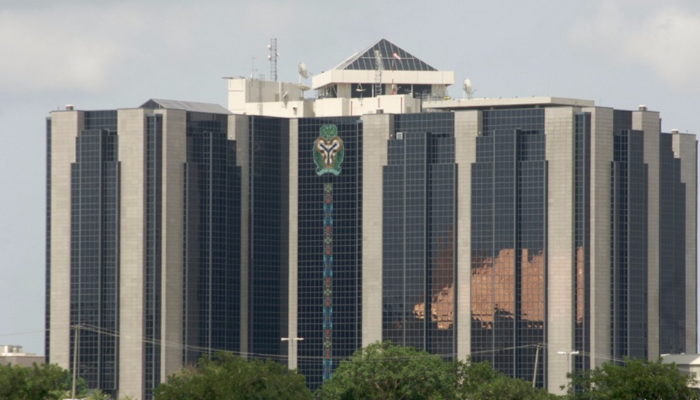
The Central Bank of Nigeria (CBN) has issued final operating licences to 82 Bureaux De Change (BDCs) under its revised regulatory framework.
The apex bank says the approvals took effect from November 27, 2025, following full compliance with the 2024 Regulatory and Supervisory Guidelines for BDC Operations.
Acting Director of Corporate Communications Hakama Sidi-Ali explains in a statement on Monday that the move is part of ongoing efforts to sanitise the foreign exchange market.
She notes that Nigerians must verify the status of any BDC on the CBN website before carrying out foreign exchange transactions.
The bank stresses that only the operators listed on its official website are recognised as licensed BDCs.
It warns that dealing with unlicensed FX operators exposes customers to fraud, irregular pricing, and potential legal risks.
ALSO READ
The CBN states that operating a BDC without a valid licence is a criminal offence under Section 57(1) of the Banks and Other Financial Institutions Act 2020.
It adds that enforcement teams will intensify nationwide monitoring to identify illegal operators and prosecute offenders.
The bank says the licensing exercise aligns with its broader strategy to stabilise the FX market and restore confidence in retail foreign exchange channels.
It explains that the new regime aims to eliminate market distortions, speculative activities, and irregular parallel market practices.
Under the 2024 guidelines, all BDCs were required to reapply for Tier 1 or Tier 2 licences and meet stricter capital requirements.
The guidelines mandate a minimum of N2 billion for Tier 1 and N500 million for Tier 2 operators alongside non-refundable licence fees.
The CBN says the updated rules introduce stronger compliance, documentation, and reporting obligations for all BDCs.
Analysts believe the reforms will improve transparency, enhance consumer protection, and strengthen oversight within the FX retail segment.
They also say the new licensing round signals the CBN’s commitment to rebuilding stability and discipline in the foreign exchange market.