



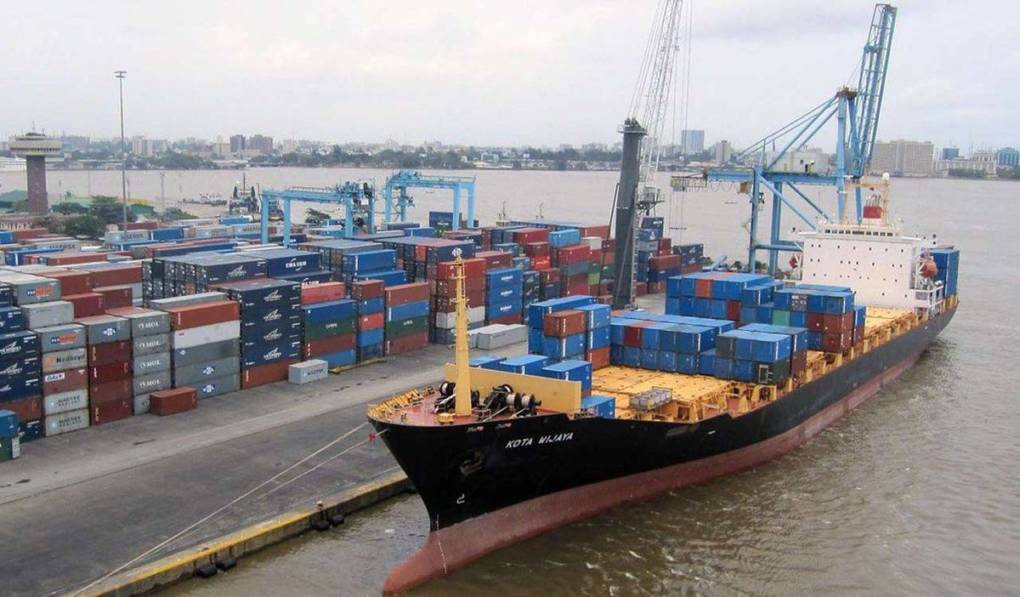
Nigerian exporters are making limited use of the African Continental Free Trade Area and the United Kingdom’s Developing Countries Trading Scheme despite non-oil exports rising to N12.36 trillion in 2025, according to a market survey by the Network of Practicing Non-Oil Exporters of Nigeria.
The study, supported by UK International Development, found a highly skewed export landscape dominated by very small players and a missing middle between micro exporters and large, high-value firms.
Survey data show that 66 per cent of Nigerian exporters operate below $50,000 in annual export value, while 62 per cent of reported constraints arise from domestic bottlenecks before the border.
Only half of exporters shipped at least once in the last 24 months, with 34 per cent citing shipping costs as a major constraint and 37 per cent frequently facing limited working capital.
ALSO READ
Researchers concluded that most exporters either do not know how to use AfCFTA and the UK scheme or have never received practical guidance.
The report urged authorities to launch an immediate hands-on utilisation programme that walks businesses step by step through requirements and procedures instead of relying on market access “on paper.”
Closing domestic compliance gaps, improving institutional coordination, cutting logistics costs, and easing access to finance are critical to turning preferential market access into real competitiveness, the report added.
Nigeria’s non-oil exports grew sharply in 2025, with National Bureau of Statistics data showing N12.36 trillion in shipments between January and December, up from N9.09 trillion in 2024.
Agriculture, manufacturing, and mineral products contributed more to external earnings in line with plans to reduce dependence on crude oil.
Network of Practicing Non-Oil Exporters of Nigeria president Ahmad Rabiu said opportunities under AfCFTA and the UK scheme are significant, but realising them will depend on awareness, capacity, coordination, and targeted policy support.
The survey concluded that Nigeria’s potential under the trade agreements remains largely unrealised and recommended systemic domestic reforms and firm-level capacity building to achieve sustained non-oil export growth.