



Mexico’s World Cup summer was meant to celebrate football and continental unity. Instead, it now confronts sirens, smoke, and uncertainty.
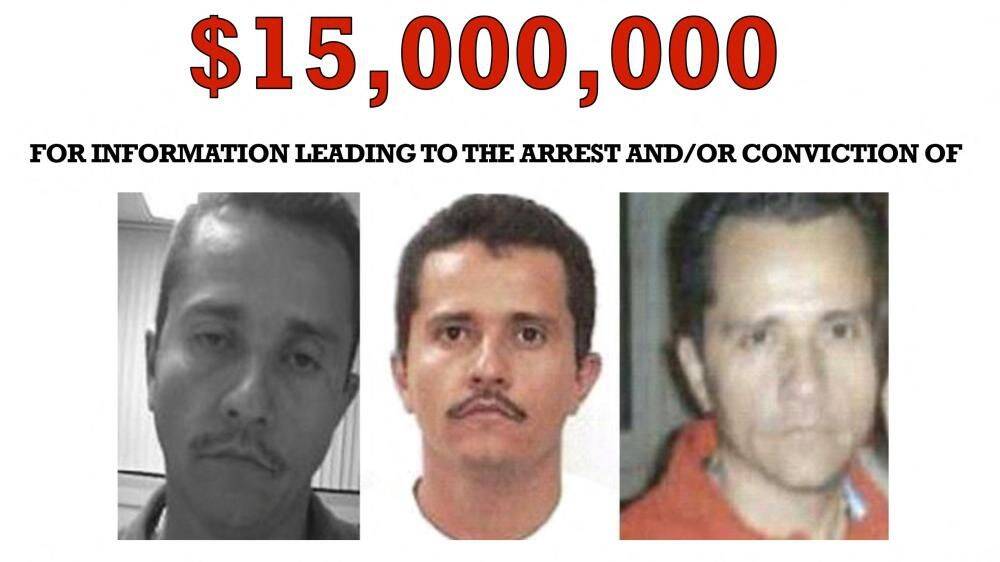
The confirmed killing of Nemesio Oseguera Cervantes, known as ‘El Mencho’, has triggered violent reprisals across western Mexico. The fallen leader of the Jalisco New Generation Cartel (CJNG) carried a reported $15 million bounty before his death.
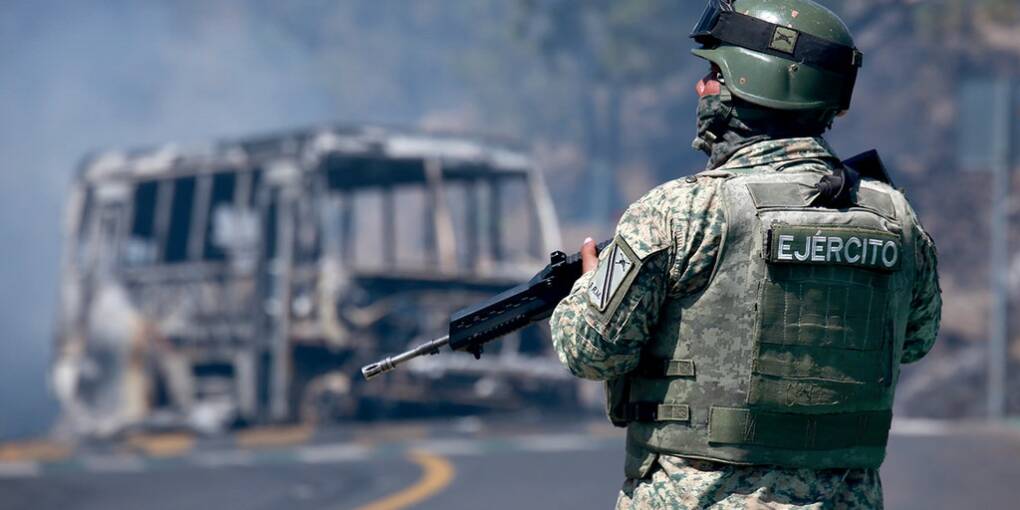
Within hours, gun battles erupted between cartel fighters and Mexican security forces. Roads were blocked, vehicles torched, and entire neighborhoods plunged into fear. Jalisco, home to Guadalajara, was placed under red alert. The unrest quickly rippled into other regions, amplifying anxieties ahead of the 2026 tournament.
Mexico is set to co-host the expanded finals with the United States and Canada. Guadalajara alone is scheduled to stage four matches during the competition. Yet images of burning streets now compete with promotional billboards for football’s grandest stage, and for FIFA and local organisers, the timing could hardly be worse.
Security analysts have warned that eliminating a cartel kingpin often reshapes criminal hierarchies, while power vacuums can invite splinter groups and unpredictable violence.
Still, some experts argue criminal networks have economic incentives to avoid prolonged chaos. Meanwhile, as is public knowledge, the World Cup promises billions in tourism revenue and global exposure.
Cartel retaliation and the fragile road to 2026
Authorities say the immediate flare-up reflects a calculated show of strength. Cartel responses, they suggest, are often designed to project dominance.
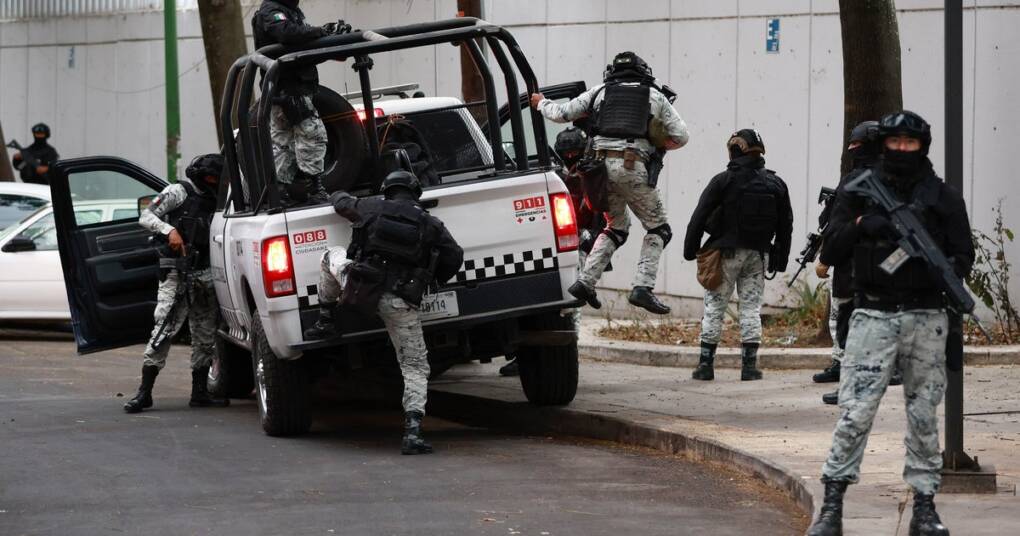
However, the scale of retaliation has unsettled residents and international observers alike. At least two dozen security personnel reportedly died in the first wave of clashes.
Guadalajara’s metropolitan area includes Zapopan, where Estadio Akron will host World Cup matches. The stadium is also slated for a qualifying playoff event in March.
Elsewhere, fixtures in domestic competitions were postponed as safety concerns mounted. Even routine activities like public transport and school attendance were suspended.
ALSO READ:
- Mexican Open proceeds despite cartel unrest after El Mencho’s death
- UEFA hands Prestianni interim ban after Vinicius Jr racism allegation
Jalisco governor Pablo Lemus addressed residents directly. “We are working to restore peace in the state of Jalisco,” he said on Monday.
He added, “We are working to gradually begin normal day-to-day activities throughout Jalisco, including surrounding highways.”
Meanwhile, international reactions followed swiftly. The United States advised its citizens in Jalisco to remain indoors temporarily. Canada cancelled flights into Puerto Vallarta during the most volatile hours. Airlines rerouted aircraft as a precaution amid uncertainty.
For FIFA, the developments prompted urgent internal consultations, as senior officials reportedly examined contingency plans while awaiting security updates.
FIFA’s balancing act as security concerns intensify
Late Monday, football’s governing body publicly backed its hosts. A spokesperson rejected suggestions that the tournament faced immediate jeopardy.
“At FIFA Mexico, we are closely monitoring the situation in Jalisco and remain in constant communication with the authorities,” the spokesperson said.
They added, “We will continue to follow the actions and directions from the different government agencies, aimed at maintaining public safety and restoring normalcy.”
The organisation also expressed “full confidence” in Mexico, the United States, and Canada as co-hosts from the 2026 World Cup. However, it declined to comment on hypothetical relocations of scheduled matches.
Behind the scenes, planners understand reputational risk can escalate rapidly as global tournaments depend as much on perception as on logistics. The 2026 edition will be the largest in history, spanning three nations and multiple time zones. In Mexico, Mexico City and Monterrey are also due to stage fixtures.
While unrest remains concentrated in Jalisco, analysts caution against complacency. They believe criminal fragmentation could produce sporadic instability in the months ahead. Moreover, political dynamics complicate the landscape. Therefore, Washington has increased pressure on Mexico to intensify anti-cartel operations.
That cross-border dimension matters because the United States will host most tournament matches. As a result, coordination between security agencies will therefore be critical.
Can Mexico reassure the world before kick-off?
Tourism operators now face difficult questions from prospective visitors. Images circulating online can influence travel decisions within minutes.
Yet some scholars argue the violence may prove temporary. Cartel structures, they say, often recalibrate after leadership losses.
ALSO READ:
- Leadership, accountability and the cost of words in football’s fight against racism
- How media shapes national identity and fuels sports rivalries
If stability returns swiftly, confidence could rebound before teams arrive for the tournament in June. However, another surge would deepen skepticism internationally.
Local business owners remain cautiously hopeful, because they know the World Cup represents opportunity, investment, and renewed global attention. However, for ordinary residents, daily safety outweighs sporting spectacle, as they believe football cannot thrive where fear dominates public life.
Ultimately, Mexico’s challenge goes beyond staging matches. The nation must demonstrate that state authority can contain retaliation and deter escalation.
The coming weeks will test coordination between federal forces and local administrations. Visible calm will matter as much as official assurances.
As we have seen so far, FIFA’s faith in its host is clear for now. Nevertheless, contingency planning remains an unspoken safeguard. The 2026 World Cup was envisioned as a celebration across borders. Whether it becomes a symbol of resilience or risk now depends on events unfolding in real time.
Tags: El Mencho, Mexico, Pablo Lemus, Jalisco, Estadio Akron, Zapopan, Guadalajara, Jalisco New Generation Cartel, CJNG, Nemesio Oseguera Cervantes, 2026 FIFA World Cup, Canada, United States, Puerto Vallarta.