




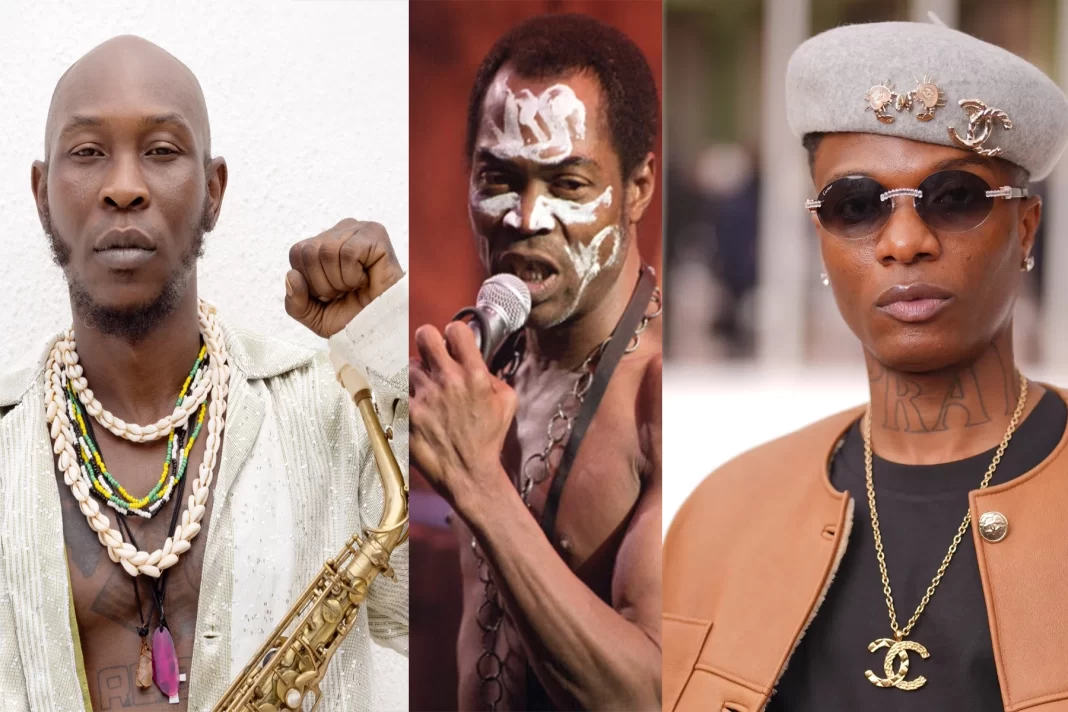
I have watched the recent exchange involving Seun Kuti and Wizkid with concern, not because artists should never disagree, but because history was dragged into a space where it does not belong. Every generation debates greatness. That is normal. What is not normal is turning legacy into a fanbase contest and reducing a cultural monument to a trending argument. When history is handled carelessly, everyone loses.
How Fela Built His Legacy
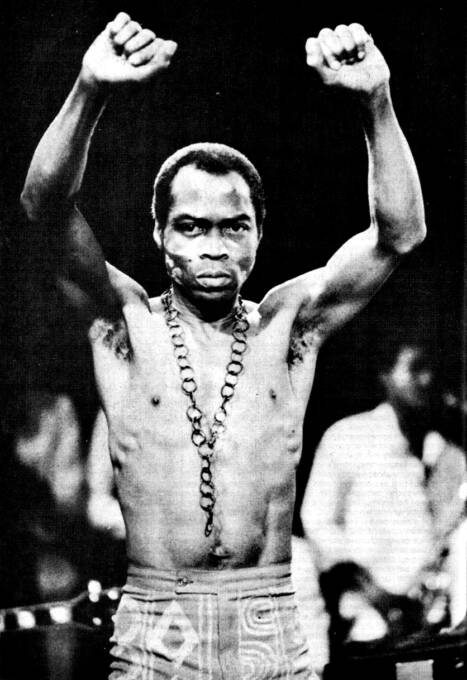
Fela Anikulapo Kuti’s prominence from the 1960s until his death in 1997 was not built on popularity alone. It was built on invention, conviction, and consequence. In the early years after Nigeria’s independence, Fela emerged as a trained musician and bandleader at a time when African popular music was still finding its modern voice.
By the 1970s, he had not only named Afrobeat, he had structured it. His songs were long and patient, built on repeating rhythms that allowed ideas to sink in. The horns answered one another like a conversation. The drums did not rush. They spoke in cycles, returning again and again, the way African storytelling repeats truth until it is understood.
He sang in Nigerian Pidgin so ordinary people could follow him, in Yoruba to ground the music in culture and proverbs, and sometimes in English when he wanted the world to listen. Nothing about this was accidental. Every sound, every word, every repetition was deliberate work. That careful way of building music, rooted in patience, repetition, and communal meaning, is what I consider Yoruba musical logic, as it is embedded in the culture.
Making Global Impact Without Modern Platforms
What makes Fela’s rise even more remarkable is the world he rose in. There was no social media, no streaming platforms, and no instant virality. There was no Spotify to count streams, no YouTube to push videos, and no algorithm to carry his music across borders overnight.
Fela became globally prominent through live performances, vinyl records, touring, word of mouth, and sheer force of presence. His music travelled slowly, but it travelled deeply. To be heard beyond Africa in that era required discipline, originality, and relentless conviction. It was not easy, and it was not automatic.
Music as Resistance and Risk
More importantly, Fela turned music into a tool of truth telling. After his ideological awakening in 1969, his songs became direct confrontations with military rule, corruption, and injustice. He did not hide behind metaphor. He spoke plainly.
Songs like Zombie were not entertainment in the safe sense of the word. They were acts of courage. The Nigerian state responded with violence, most notably in 1977 when Kalakuta Republic was attacked. His mother, Funmilayo Ransome-Kuti, later died from injuries linked to that assault. This is not mythology. It is history shaped by pain.
READ ALSO
- NRTC WEEKLY: Top 5 stories from around the world you may have missed
- NPFL fines Nasarawa United, Rangers over security breaches
- Pope Leo Addresses Global Poverty and Wealth Inequality as Wars Persist and Moon Exploration Advances
- INEC defers nationwide voter revalidation until after 2027 elections
- Busari unveils 36 Flamingos for World Cup qualifiers
Beyond an Artist, an Institution
By the 1980s and 1990s, Fela was no longer just an artist. He had become an institution. The Shrine was not simply a stage. It was a public square. His band was not just entertainment. It was education.
His arrests and imprisonment did not weaken his voice. They strengthened its meaning. When Fela died in 1997, he left behind more than songs. He left behind a way of thinking about Africa, power, resistance, human rights, social justice, and responsibility.
Why the Comparisons Miss the Point
This is why I find the current language around who is bigger deeply troubling. Wizkid is a major figure of the Afrobeats era. His success is real, global, and deserved. He has carried African music to spaces previous generations could only imagine.
But success today is measured differently. It is measured by reach, streams, tours, and visibility. Fela’s greatness was measured by risk, sacrifice, and transformation. These are not the same scales. You cannot weigh a mountain with a ruler.
Where Both Sides Went Wrong
To be fair, I do not think Seun Kuti handled this moment well. Even if the comparison began with fanbase behaviour, and even if the instinct to defend Fela is understandable, Seun’s response reportedly involved repeated personal abuse directed at Wizkid’s fanbase over several days.
When personal attacks continue without pause, they push the other person into a corner. In such moments, retaliation becomes more likely than reflection. That context matters. However, context does not excuse what followed. Wizkid’s eventual response crossed a line. Two wrongs do not correct each other.
What began as a defence of legacy became a public exchange that distracted from the very values both sides claim to uphold.
YOU MAY ALSO LIKE
The Real Problem, Fanbase Culture
Still, the deeper problem lies with fanbase culture itself. The dispute did not begin with artists making music. It began online, where comparisons were turned into provocation.
This pattern is now familiar. Fans turn music into a league table, push artists into corners, and then celebrate conflict when reactions come. In the end, history becomes collateral damage.
Afrobeat Is Not Afrobeats
The way forward, I think, is not complicated. We must stop using history as online ammunition and retire lazy labels that generate noise but destroy meaning.
Afrobeat is a historical genre and a political movement. Afrobeats is a modern global sound. They are related, but they are not the same. I say this not as a distant observer, but as someone who also makes and performs Afrobeats.
When we blur this difference, we turn education into entertainment and legacy into gossip, and in doing so we weaken the very culture we claim to celebrate.
Respect Does Not Diminish Success
Wizkid does not need Fela’s name to be great. His career stands firmly on its own. Respecting Fela does not reduce Wizkid. Disrespecting Fela reduces all of us.
This is not about ego or bravado. It is about remembering that the road was cleared before today’s cars could drive smoothly.
A Responsibility to History
Artists and their communities have a responsibility to calm their ecosystems. If a fanbase insults a legend, silence can look like approval. If a defender of legacy responds with abuse, it weakens the moral force of the defence.
The better path is simple. Correct the comparison, call for respect, and return the conversation to music and history.
A Foundation, Not a Contest
Fela Anikulapo Kuti is not a competition. He is a foundation. You do not compete with a foundation. You build on it. A house that insults its foundation will eventually collapse.