



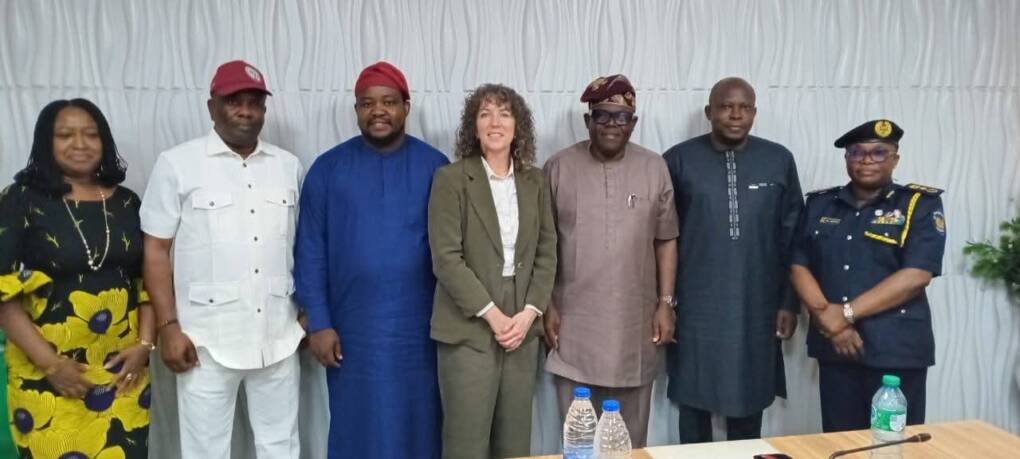
The Lagos State Ministry of Special Duties and Intergovernmental Relations has commenced high-level strategic talks with the World Bank Group (WBG) to overhaul the state’s emergency management systems and strengthen disaster risk reduction frameworks.
The engagement, held recently at the Ministry’s headquarters, served as a foundational platform for the World Bank to review the statutory mandates and operational data of Lagos State’s first responders.
The partnership aims to align the state’s safety initiatives with global best practices in urban resilience.
During the session, the Permanent Secretary of the Ministry, Sesan Ogundeko, provided an exhaustive overview of the state’s safety strategies.
He emphasised that the administration is shifting focus toward proactive prevention through regular fire and emergency simulations in public schools and marketplaces, international exchange programs for first responders to enhance technical expertise and intensified community outreach to foster a “culture of preparedness.”
Adding to this vision, the Director-General of the Lagos State Fire and Rescue Service, Margaret Adeseye, revealed an ambitious roadmap to establish fully functional fire stations across all 20 LGAs and 37 LCDAs.
The goal is to ensure interventions occur within the “golden time”—the critical window where rapid response most effectively saves lives and property.
READ ALSO
The General Manager of the Lagos State Command and Control Centre, Femi Kennedy Giwa, presented performance statistics highlighting the state’s modern communication infrastructure.
However, he raised a serious red flag regarding public interference. Giwa revealed that a staggering volume of prank calls is currently clogging emergency lines.
He warned that such actions are criminal offences under the state law and that offenders will face prosecution to ensure genuine distress calls are prioritised.
Furthermore, Funmilayo Shokunbi, Director of the Safety Arena Clinic, highlighted the state’s investment in the mental and physical health of its personnel.
The clinic provides routine screenings and mobile outreach to ensure first responders remain fit for the high-stress demands of their duties.
The World Bank delegation, led by Disaster Risk Management Specialist Francis Nkoka and Mary Boyer, praised the Ministry for its data-driven approach to safety.
Boyer noted that the Ministry’s evidence-based reporting is essential for effective international coordination.
Nkoka reaffirmed the World Bank’s commitment to supporting inclusive urban resilience, coordinated disaster risk reduction strategies and enhanced urban risk planning.
The meeting concluded with a mutual pledge to deepen the partnership, ensuring that Lagos remains equipped to manage the complexities of a rapidly growing megacity through disciplined governance and advanced emergency tools.