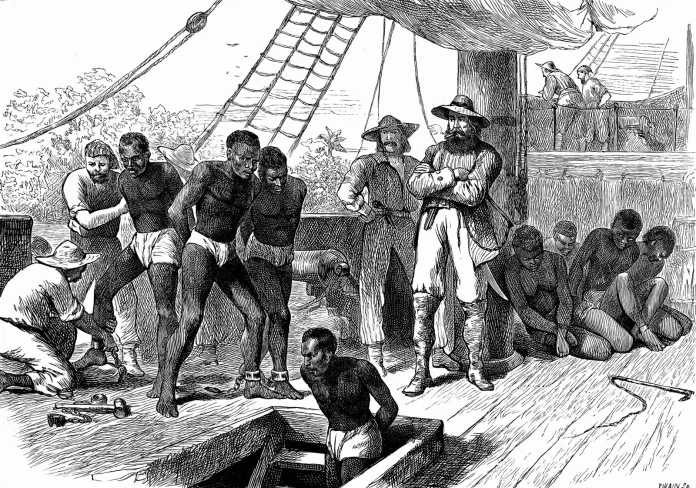




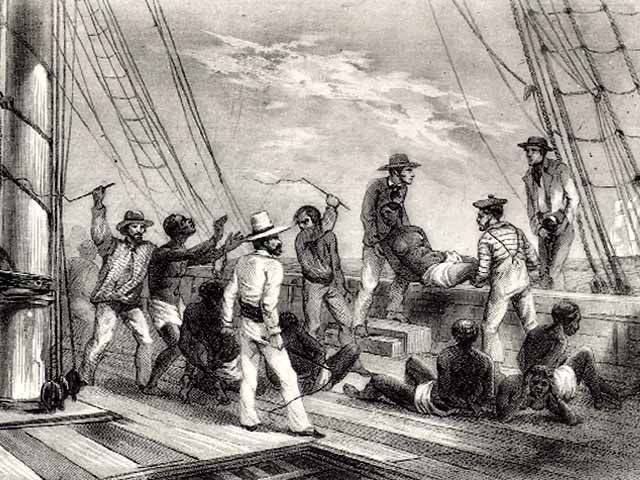
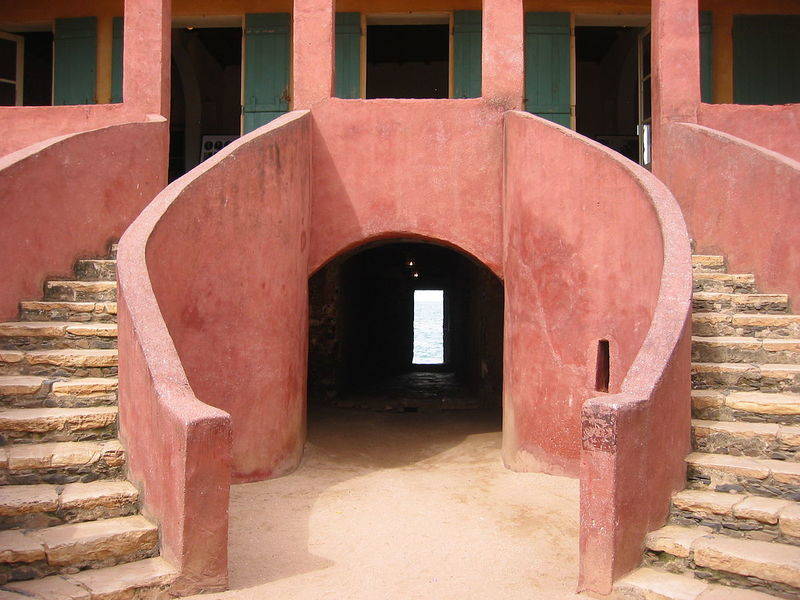
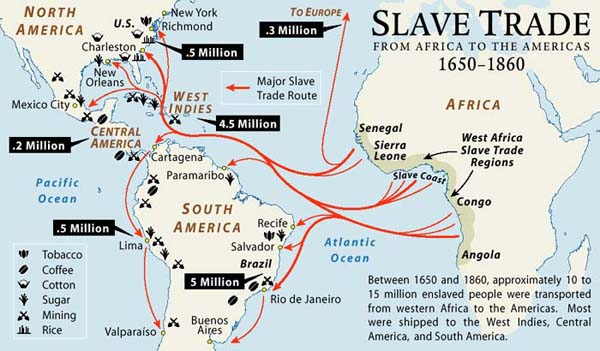
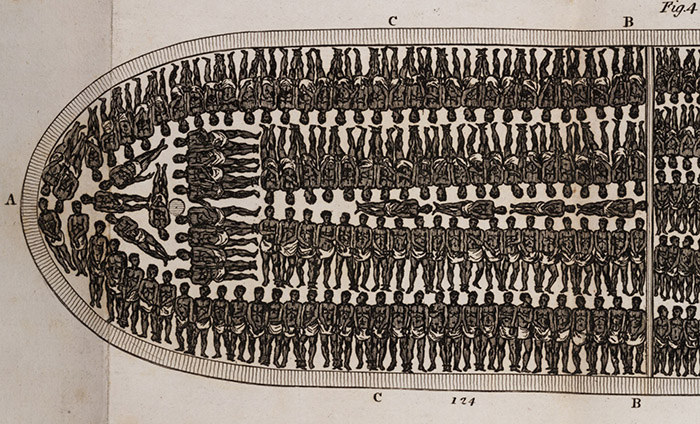
If you stand in front of the old slave forts along the West African coast, the story does not feel like history. It feels present. The walls are still there. The air is still heavy. In places like Elmina in Ghana or Gorée in Senegal, you can walk through the same narrow passages where people were held before being shipped across the Atlantic, many of them never to return. Between the 16th and 19th centuries, historians estimate that around 12 to 15 million Africans were captured and forced into the transatlantic slave trade. More than two million died during the brutal journey known as the Middle Passage.
So when the United Nations General Assembly voted to describe the transatlantic slave trade as “the gravest crime against humanity”, it did not introduce a new idea. It gave official language to something that has always been felt, especially on this side of the world.
What is different now is not the history, but the tone.
For a long time, conversations about slavery at the global level have been careful, almost cautious. Words like “tragic” and “regrettable” have done a lot of work. They acknowledge pain without opening the door too wide. This new wording does the opposite. It stretches that door open and refuses to close it quickly.
That matters because language shapes what people think is possible.
Calling something “the gravest crime against humanity” is not just a description; it quietly raises a follow-up question. If that is what it was, then what is owed?
ALSO READ: UN votes to recognize transatlantic slave trade as ‘gravest crime against humanity’
You can see why Ghana pushed this. For countries that were directly emptied of people, labour, and stability, the past is not abstract. It shows up in uneven development, in lost histories, in the way Africa still has to explain itself to a world partly built on what was taken from it.
The push for reparations grows from that feeling, but it is often misunderstood. Many people hear the word and think of payouts, as if the whole argument is about money. It is not that simple. At least not in the way it is being framed here.
At the United Nations, Ghana proposed that reparations take the form of education funds, skills programmes, and cultural restoration. There is also the question of artefacts sitting in European museums, objects that carry spiritual and historical meaning, taken during periods when African communities had little power to refuse. Asking for them back is less about ownership in a legal sense and more about reclaiming a story that was interrupted.
Nigeria has its own connection to this history. Cities like Lagos, Calabar, and Bonny were major ports in the transatlantic slave trade. Tens of thousands of people were captured from the hinterlands and shipped through these ports to the Americas. Today, historical sites like the Badagry Slave Route remind Nigerians that the legacy of slavery touches local histories, economies, and communities. It is why African nations often speak with one voice on the UN stage.
ALSO READ: Sanwo-Olu pledges to transform Badagry into global heritage hub
Still, once the conversation reaches the point of responsibility, it becomes uncomfortable for the colonizers.
Countries like the United Kingdom and the United States are not disputing that slavery was brutal. Their hesitation sits somewhere else. It is in what comes next. There is a fear, sometimes stated plainly, that today’s governments are being asked to answer for systems that existed before them.
🔍 Explore More
- NRTC English Knowledge Base – Learn, improve, and sharpen your English skills.
- Top Stories From Around the World – Stay informed with the latest global news and insights.
- Specially Curated Listicles – Discover interesting lists, guides, and deep dives selected for our readers.
- Stay Updated: Join our mailing list and never miss the latest articles and updates from NRTC.
That argument sounds reasonable on the surface. But it is also where the disagreement deepens.
Because while people change over generations, structures have a way of continuing. Wealth accumulates. Advantage compounds. Disadvantage does the same. You cannot draw a neat line between past and present when the outcomes of the past are still visible in how the world is arranged.
That is why this vote feels less like closure and more like a reopening.
It brings back an old question that never really went away. Can you fully acknowledge a wrong and then move on without trying to repair it in some form? Or does true acknowledgment carry an obligation, even if that obligation is difficult, messy, and politically inconvenient?
There is no agreement on that yet. You can see it in the split votes, in the abstentions, in the careful speeches that recognise suffering but resist commitment.
But something has shifted, even if quietly.
The conversation is no longer only about remembering slavery. It is about deciding what remembrance should lead to. And that is a harder conversation to avoid, especially when the evidence of that history is still standing in stone along the coast, refusing to be forgotten.