



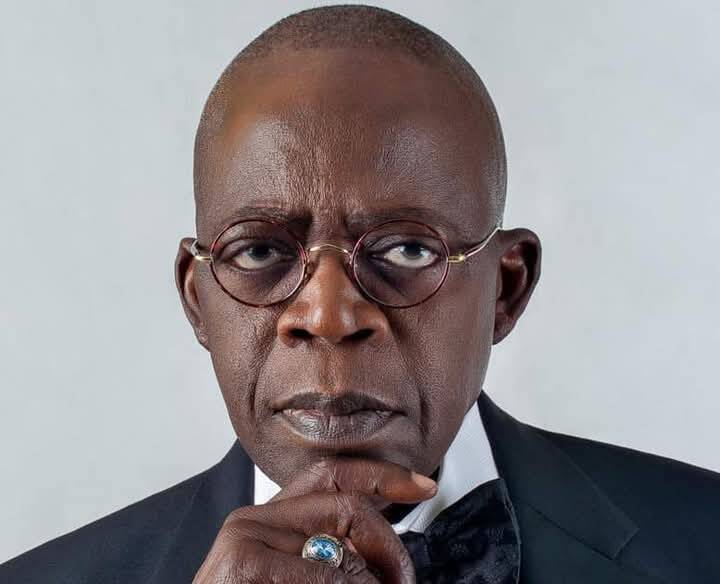
President Bola Tinubu on Monday issued a stern warning to insurgents and bandits, declaring their activities “unacceptable” and foreign to Nigeria’s cultural values.
Speaking at the opening of the Second National Economic Council (NEC) Conference in Abuja, the President pledged that his administration would not rest until peace is fully restored to every affected community.
The two-day summit, themed “Delivering Inclusive Growth and Sustainable National Development: The Renewed Hope National Development Plan 2026–2030”, brought together state governors, lawmakers, and private sector leaders to map out the country’s economic future.
Tinubu linked the country’s economic progress directly to its security status, describing insecurity as a primary “economic hindrance.”
He assured Nigerians that the battle against terror is a personal priority that keeps the leadership “sleepless at night.”
To combat food insecurity and boost the economy, the President announced the arrival of seven zones of mechanisation.
He singled out the governors of Borno, Katsina, and Kaduna for their resilience in defending the nation’s “commonwealth” against internal threats.
“I promise you here that I’ll play my part… We will win with determination and resilience. We will overcome this unacceptable terrorism and banditry,” the President affirmed.
A central highlight of the conference was the introduction of the Renewed Hope National Development Plan (2026–2030).
This five-year strategy is designed to move Nigeria toward a more resilient and diversified economy.
The plan is anchored on five core pillars designed to drive sustainable national development.
It prioritises economic diversification by reducing reliance on single revenue streams and expanding the country’s productive base.
READ ALSO
It also places strong emphasis on human capital development through sustained investment in the Nigerian people.
In addition, the plan seeks to enhance subnational competitiveness by enabling states to harness and maximise their unique comparative advantages.
It promotes private sector-led growth, empowering businesses to serve as the primary engine of the economy.
It underscores climate resilience, ensuring that growth remains sustainable and responsive to environmental challenges.
Tinubu commended the Central Bank of Nigeria (CBN), under the leadership of Governor Yemi Cardoso, for restoring global confidence in the country’s monetary policy framework.
He stated that the administration’s economic reforms had resulted in increased revenue, with state and local governments now receiving higher and more predictable federal allocations.
The President also noted that the reforms had triggered an infrastructure boom, as substantial investments were being directed towards transportation, power, digital connectivity and irrigation projects across the country.
In addition, he highlighted the impact at the grassroots level, explaining that the Renewed Hope Ward Development Project was driving a bottom-up development strategy designed to ensure that progress reached the smallest units of society.
The President emphasised that the success of the new Development Plan rests on the shoulders of the National Economic Council, chaired by Vice President Kashim Shettima.
He urged a shift from “declarations to implementation,” calling for data-driven decisions and innovative financing to achieve the conference’s goals, particularly in livestock investment and dairy farming.
“While the task before the nation is challenging,” Tinubu concluded, “the opportunity is historic.”