



The United Nations General Assembly has formally recognised the transatlantic slave trade as the gravest crime against humanity, in a resolution introduced by Ghana on Wednesday.
The West African nation also urged the creation of a reparations fund and called on countries involved in the trade to issue formal apologies.
According to Ghanaian Foreign Minister Samuel Ablakwa, the proposed reparations fund is intended to repair the damage inflicted by the centuries-long trade.
“We are demanding compensation – and let us be clear, African leaders are not asking for money for themselves. We want justice for the victims and causes to be supported, educational and endowment funds, skills training funds,” he said.
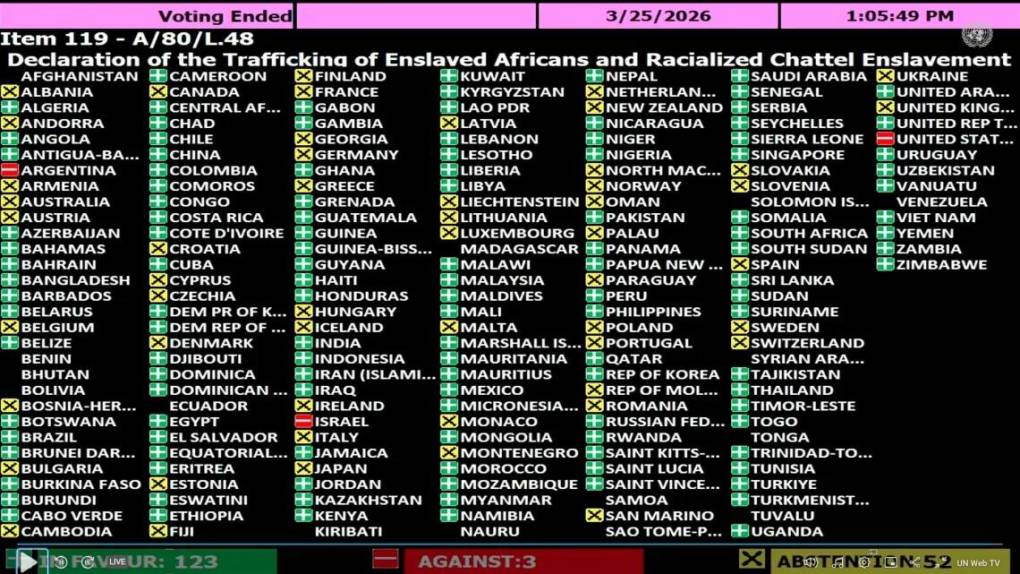
The resolution received broad support, passing with 123 votes in favour. Only three countries — Argentina, Israel, and the United States — voted against it, while 52 nations, mainly European, abstained. Among the abstentions were Britain, Portugal, and Spain, countries historically implicated in the slave trade and colonialism. Nigeria and other African nations backed the resolution.
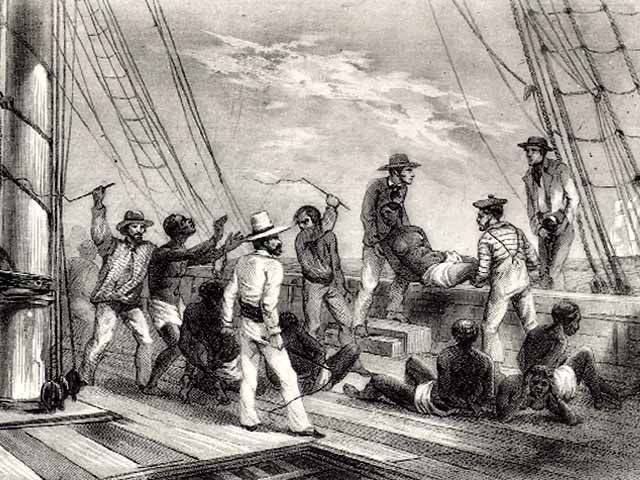
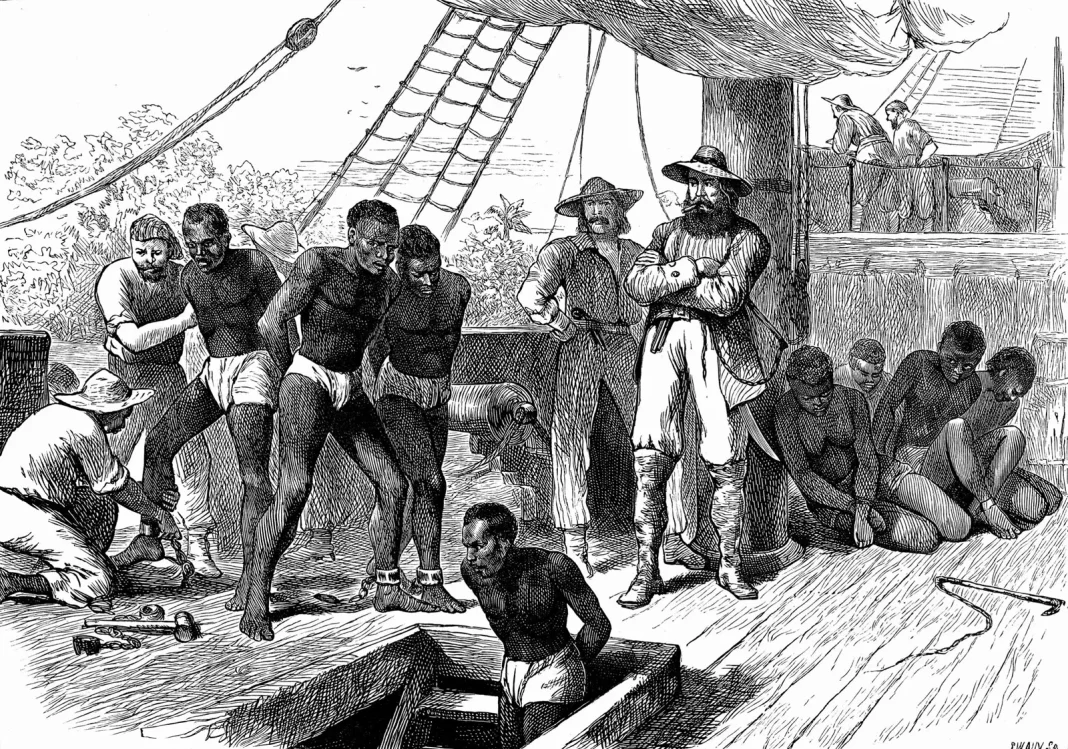
The transatlantic slave trade, which forcibly transported an estimated 15 million Africans across the Atlantic between the 15th and 19th centuries, is remembered as one of the darkest periods in human history. Many perished during the brutal Middle Passage, while survivors were subjected to forced labour and systemic abuse.
ALSO READ: Sanwo-Olu pledges to transform Badagry into global heritage hub
“Many generations continue to suffer the exclusion, the racism because of the transatlantic slave trade which has left millions separated from the continent and impoverished,” Mr Ablakwa noted.
The resolution highlighted slavery’s enduring impact, citing racial inequalities and underdevelopment that still affect Africans and the global African diaspora. It also called for the return of cultural artefacts looted during the colonial era.
“We want a return of all those looted artefacts, which represent our heritage, our culture, and our spiritual significance. All those artefacts looted for many centuries into the colonial era ought to be returned,” Mr Ablakwa said.
Ghanaian President John Mahama hailed the resolution as “historic” and “a safeguard against forgetting,” speaking on behalf of the 54-member African Group ahead of the vote.
“Today, we come together in solemn solidarity to affirm truth and pursue a route to healing and reparative justice,” he said, describing the staggering human toll of slavery.
For more than 400 years, millions were stolen from Africa, shackled, and transported to the Americas to labour under brutal conditions in cotton, sugar, and coffee plantations. They were stripped of their identities and endured generations of exploitation, the consequences of which still reverberate today in persistent anti-Black racism and discrimination.
The resolution emphasised “the trafficking of enslaved Africans and racialised chattel enslavement of Africans as the gravest crime against humanity by reason of the definitive break in world history.” It underscored the scale, brutality, and long-term consequences of the trade, calling for reparatory justice as a concrete step towards remedy.
“The slave trade and slavery stand among the gravest violations of human rights in human history,” UN General Assembly President Annalena Baerbock said, adding that slavery represents “an affront to the very principles enshrined in the Charter of our United Nations and the Universal Declaration of Human Rights, themselves born, in part, from these injustices of the past.”
Ms Baerbock also highlighted how African countries were stripped of entire generations that could have contributed to their development, calling it “mass resource extraction.”
UN Secretary-General António Guterres urged countries to confront slavery’s enduring legacy, remove systemic barriers, and ensure equal access to education, health, employment, housing, and political participation.
“Now we must remove the persistent barriers that prevent so many people of African descent from exercising their rights and realising their potential,” he said. “We must commit, fully and without hesitation, to human rights, equality, and the inherent worth of every person.”
Addressing the US vote against the resolution, Dan Negrea, the US representative to the UN Economic and Social Council, explained that the country “does not recognise a legal right to reparations for historical wrongs that were not illegal under international law at the time they occurred.”