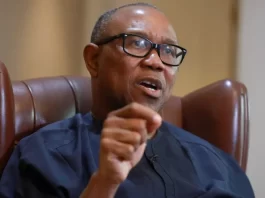
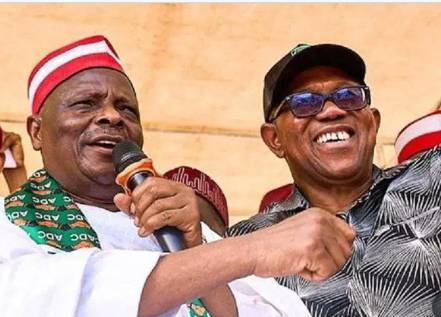
Former Anambra State governor Peter Obi and former Kano State governor Rabiu Kwankwaso joined the National Democratic Congress (NDC) on Sunday.
The announcement was made in a statement shared on Facebook by former Bayelsa State governor Seriake Dickson.
Both politicians aligned with the party at its national secretariat in Abuja.
Their decision came shortly after Obi confirmed his resignation from the African Democratic Congress (ADC), a development earlier reported by The News Round The Clock (NRTC).
Kwankwaso had also hinted at the move, saying he was holding extensive consultations with the NDC.
In a statement posted on his X page, Obi explained that he left the ADC due to what he described as a deteriorating political environment, worsened by alleged state-backed interference within opposition parties.
📢 Stay Updated — Join Our WhatsApp Channel
💬 Be Part of Our WhatsApp Community
Join our WhatsApp Channel for curated updates, breaking stories, and exclusive insights from our newsroom.
📲 Join 👉 NRTC WhatsApp Channel
He clarified that his departure was not linked to any personal disagreements with party leaders.
Instead, he pointed to a recurring pattern of internal disruption, similar to the issues that led to his earlier exit from the Labour Party.
Obi said the ADC had become entangled in internal tensions, which he believes were fuelled by external forces that have historically weakened opposition platforms.
READ ALSO
Despite his concerns, he reiterated his respect for party leaders, including David Mark and Atiku Abubakar, noting that his decision was not based on personal conflict.
Internal rivalries
He argued that ongoing legal disputes, internal rivalries and a growing climate of suspicion had distracted the party from addressing urgent national challenges such as poverty and insecurity.
Obi also described feeling marginalised within the party, saying his contributions were often overlooked while blame for internal issues was directed at him and his supporters.
Beyond party politics, he raised concerns about societal attitudes, suggesting that values like humility, respect and compassion are frequently undervalued in Nigeria’s public life.
🔍 Explore More
- NRTC English Knowledge Base – Learn, improve, and sharpen your English skills.
- Top Stories From Around the World – Stay informed with the latest global news and insights.
- Specially Curated Listicles – Discover interesting lists, guides, and deep dives selected for our readers.
- Stay Updated: Join our mailing list and never miss the latest articles and updates from NRTC.
Addressing criticism of his frugality, Obi maintained that his approach reflects responsible management of resources, particularly in prioritising education and healthcare over political patronage.
He further stressed that his political involvement is driven by a desire for national progress rather than personal ambition.
He added that his focus remains on building a country where citizens feel secure and basic needs are met.