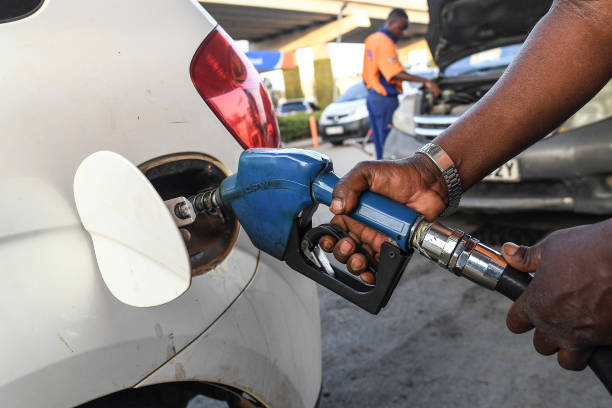
The reclosure of the Strait of Hormuz by Iran has dampened expectations of an imminent drop in petrol prices across Nigeria, according to the Petroleum Products Retail Outlet Owners Association of Nigeria.
Joseph Obele, spokesman for PETROAN, confirmed that projections of petrol falling to approximately N900 per litre have been put on hold following Iran’s decision to reseal the strategic waterway.
The Strait of Hormuz, through which about 20 per cent of globally traded oil transits, was briefly opened on Friday after a ceasefire agreement between Iran and the United States.
Obele had expressed optimism at that time that petrol prices could fall below N1,000 per litre within a week, noting that the product was selling at N800+ before the Middle East crisis.
However, on Sunday, Obele stated that the status quo would remain pending a lasting ceasefire between the two countries.
The Iranian military said control of the waterway had “returned to its previous state” on Saturday, with reports indicating that Iranian gunboats fired at a merchant vessel attempting to cross.
ALSO READ
United States President Donald Trump said on Sunday that Iran had violated the ceasefire agreement, posting that the firing of bullets in the strait was a total violation.
Trump repeated threats to attack Iranian energy infrastructure unless a deal is reached, disclosing that negotiators would arrive in Islamabad on Monday evening.
The current two-week ceasefire is set to expire on Wednesday.
Despite the disruption, Brent crude traded at approximately $90 per barrel on Sunday, a modest increase from $88 before the strait’s reclosure.
🔍 Explore More
- NRTC English Knowledge Base – Learn, improve, and sharpen your English skills.
- Top Stories From Around the World – Stay informed with the latest global news and insights.
- Specially Curated Listicles – Discover interesting lists, guides, and deep dives selected for our readers.
- Stay Updated: Join our mailing list and never miss the latest articles and updates from NRTC.
The benchmark had traded at $95 on Friday morning, reflecting the volatility triggered by geopolitical tensions in the Gulf region.
For Nigerian consumers, the reclosure means that any significant relief at the pump remains uncertain, as domestic petrol prices are closely tied to global crude trends and supply chain dynamics.