

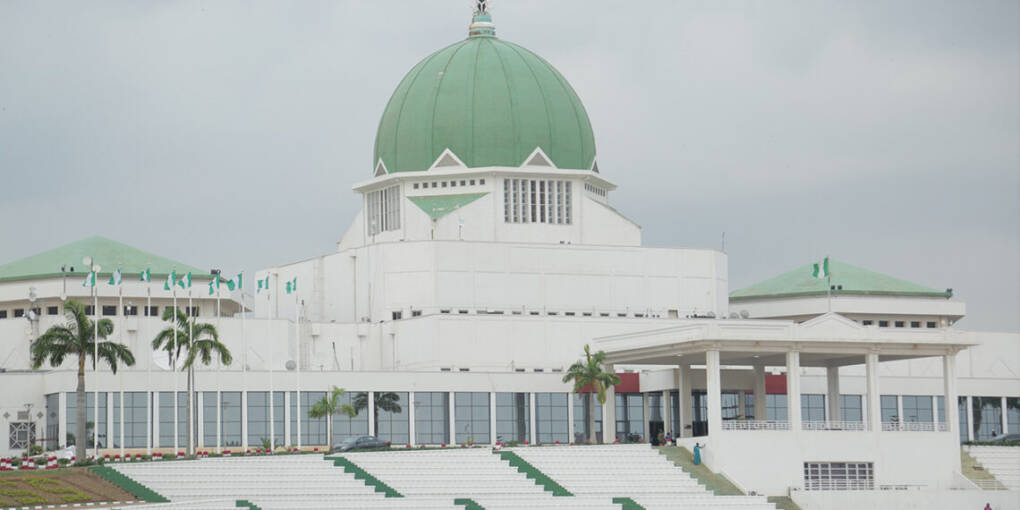
The Organised Private Sector of Nigeria (OPS) has asked the National Assembly to withdraw the Customs Tariff Amendment Bill, warning that the proposal conflicts with the Federal Government’s fiscal reform programme and could destabilise major non-oil industries under current economic conditions.
The OPS delivered its position on the Customs Tariff Amendment Bill in a memo presented during a public hearing held on Thursday, 27 November 2025, as the legislation moved past its second reading in the federal legislature.
The coalition noted that the Customs Tariff Amendment Bill poses technical and administrative risks, arguing that the draft contains mathematical inconsistencies, legal gaps and fragmented excise provisions that undermine policy coherence.
The OPS warned that the Customs Tariff Amendment Bill would impose new levies without proper impact assessments, creating additional costs for production, investment, employment, exports and inflation-sensitive sectors across the economy.
The memo stated that the non-alcoholic drinks sector, a key contributor to non-oil revenue, would be directly affected by the Customs Tariff Amendment Bill through higher operating costs, reduced capacity utilisation and increased retail prices that could push households into financial pressure.
The coalition added that higher charges under the Customs Tariff Amendment Bill may weaken a value chain that supports 1.5 million jobs, drives backward integration under the Nigeria Sugar Master Plan II and already contributes 40–45% of gross revenues as taxes amid thin margins.
ALSO READ
Industry groups warned that the Customs Tariff Amendment Bill could reduce VAT and Company Income Tax receipts, shrinking FAAC allocations and weakening state-level revenue stability over the medium term.
The OPS criticised the lack of coordination behind the Customs Tariff Amendment Bill, saying the proposal was advanced without adequate consultation with the Ministry of Finance, the Presidential Fiscal Policy and Tax Reform Committee, FAAC and other fiscal institutions.
The coalition argued that provisions in the Customs Tariff Amendment Bill, including a “20% levy per litre of retail price,” are internally contradictory and could create enforcement problems that may push consumers toward informal markets.
The memo stated that global and domestic studies show that steep or unclear taxes on sugar-sweetened beverages in low-income economies often lead to job losses, MSME contraction, lower revenue and minimal health outcomes, risks the Customs Tariff Amendment Bill may replicate.
The OPS said it is willing to work with lawmakers, fiscal authorities and civil society to redesign the Customs Tariff Amendment Bill into a coherent, predictable and non-disruptive excise framework aligned with Nigeria’s ongoing fiscal reforms.
Senator Ipalibo Harry Banigo, sponsor of the Customs Tariff Amendment Bill, said the proposal aims to make the tax system more responsive to national health needs by directing part of the existing sugar-sweetened beverage tax toward primary healthcare and prevention programmes.
Banigo, a medical doctor and former Deputy Governor of Rivers State, said the Customs Tariff Amendment Bill does not introduce a new tax but seeks to redirect existing revenue to curb non-communicable diseases, which now account for over 30% of annual deaths in Nigeria.


