
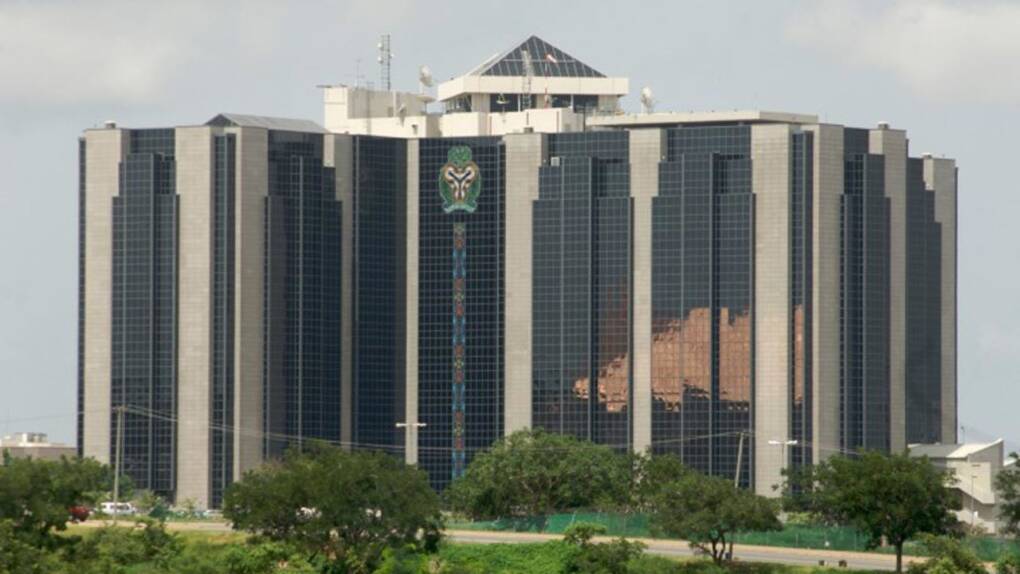
The Central Bank of Nigeria (CBN) has unveiled a draft guideline capping transaction fees and requiring banks to disclose all lending costs using an annual percentage rate framework.
The proposed ‘Guide to Charges by Banks and Other Financial Institutions, 2026’ is part of efforts to strengthen financial stability and deepen inclusion, according to a circular dated April 21.
The apex bank stated that it has reviewed the existing 2020 guide to align with current realities and encourage innovation while ensuring accountability.
“In furtherance of the mandate to promote a safe and sound financial system in Nigeria, the CBN has reviewed the extant Guide to Charges,” the circular signed by the Director of Financial Policy and Regulation, Dr. Rita Sike, read.
Under the new caps, interbank electronic transfers between N5,000 and N50,000 will attract a maximum fee of N10, while transactions above N50,000 cost no more than N50.
ALSO READ
ATM withdrawal charges are standardised at N100 per N20,000 on another bank’s on-site machine, with off-site withdrawals attracting an additional surcharge of up to N500 per N20,000.
Merchant service charges are capped at 0.5 per cent per transaction, subject to a maximum of N10,000, reinforcing the push to lower digital payment costs.
The CBN also mandated that all loan-related charges be disclosed using the Annual Percentage Rate framework.
“All interest/lending rates, inclusive of all applicable fees, shall be quoted and communicated to customers strictly on an APR basis,” the document stated.
Where charges are marked as negotiable, banks must inform customers of their right to negotiate, though agreed fees cannot exceed stipulated maximums.
The apex bank has opened the draft for public comments until May 8, 2026, with the new guide set to replace the 2020 version upon finalisation.