

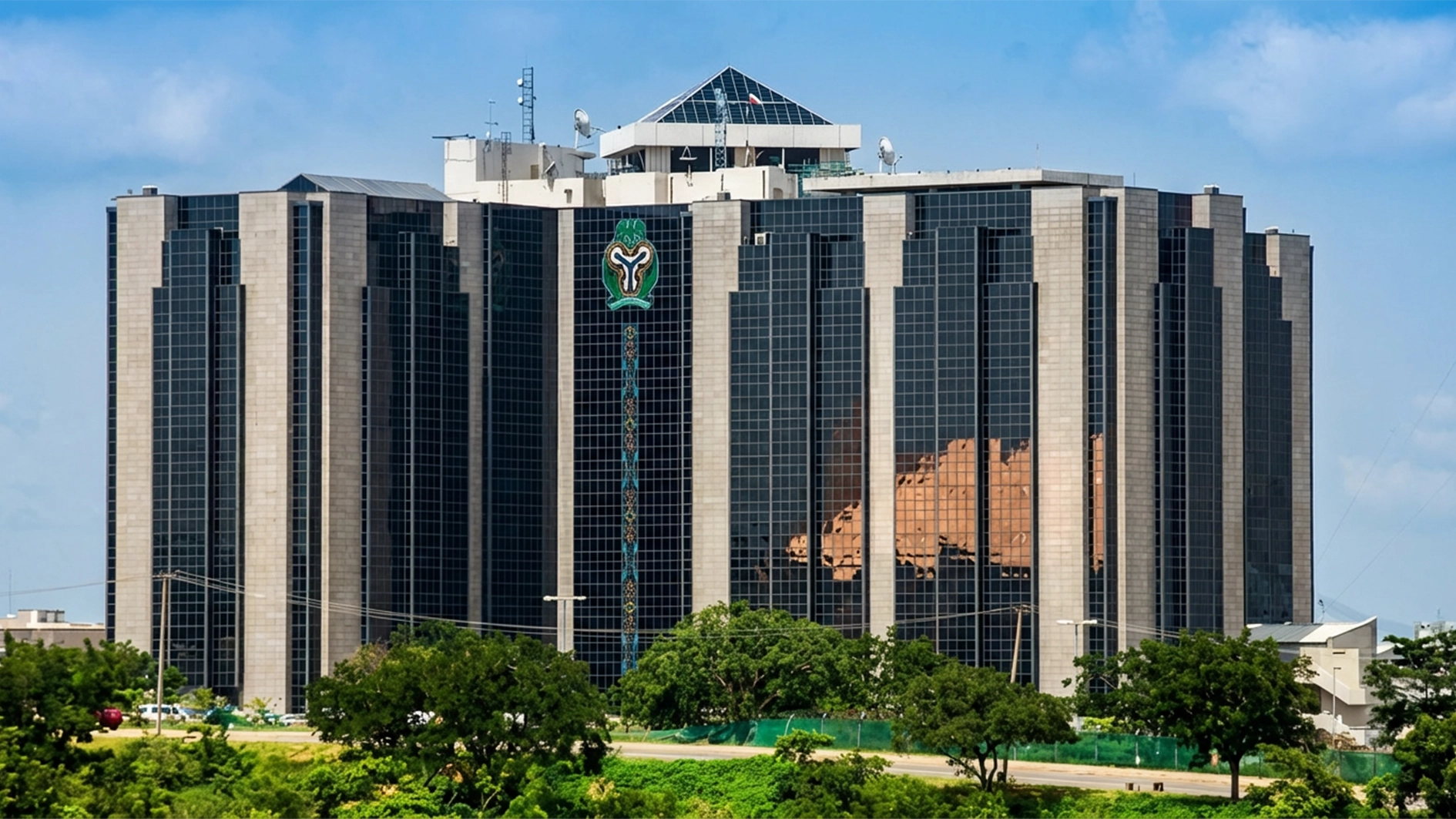
The Central Bank of Nigeria has introduced new technology-driven regulations requiring banks and other financial institutions to deploy automated anti-money laundering systems.
The directive, contained in a circular issued on March 10, 2026, applies to banks, mobile money operators, international money transfer operators, other financial institutions, and payment service providers.
The policy introduces baseline standards for automated anti-money laundering solutions aimed at improving the monitoring and reporting of financial crimes in Nigeria’s increasingly digitised financial system.
Financial institutions are required to implement automated solutions that integrate customer identification, transaction monitoring, sanctions screening, and risk assessment capabilities.
Deposit money banks have been given 18 months to comply fully, while other financial institutions have up to 24 months to meet the new requirements.
ALSO READ
The framework emphasises the use of advanced technologies such as artificial intelligence, machine learning, predictive analytics, and behavioural monitoring to improve detection of suspicious financial activity.
Institutions must deploy systems capable of conducting risk-based customer due diligence, monitoring transactions across multiple channels, and screening customers against sanctions and politically exposed persons lists.
The new standards require automated systems to integrate with core banking platforms and customer identity databases to enable real-time analysis of transaction patterns.
Institutions must also implement governance structures to monitor system performance, validate artificial intelligence models, and ensure data protection in line with Nigeria’s data privacy laws.
The CBN warned that institutions failing to comply or operating ineffective anti-money laundering systems could face regulatory sanctions.
The anti-money laundering regulation signals a broader push by regulators to strengthen financial crime prevention and protect the integrity of Nigeria’s financial system.


