

Europe will take 16 places in the expanded tournament, solidifying its dominant representation. The increase from 12 to 16 UEFA slots ensures historic clubs like Barcelona, Liverpool, and Manchester United can potentially participate after missing the 2025 edition.
The decision follows intense negotiations between FIFA president Gianni Infantino and UEFA counterpart Aleksander Ceferin. UEFA initially opposed expansion, fearing it would threaten the Champions League’s status and commercial agreements.
Europe’s stance changed after FIFA committed to keeping the tournament on a four-year cycle. This effectively buried proposals to hold the Club World Cup every two years, a plan reportedly supported by Real Madrid that would have saturated the international calendar.
The expansion aligns with FIFA’s broader plan to globalise club football. Other confederations will receive modest increases, with South America projected to hold six spots plus a possible seventh through a playoff.
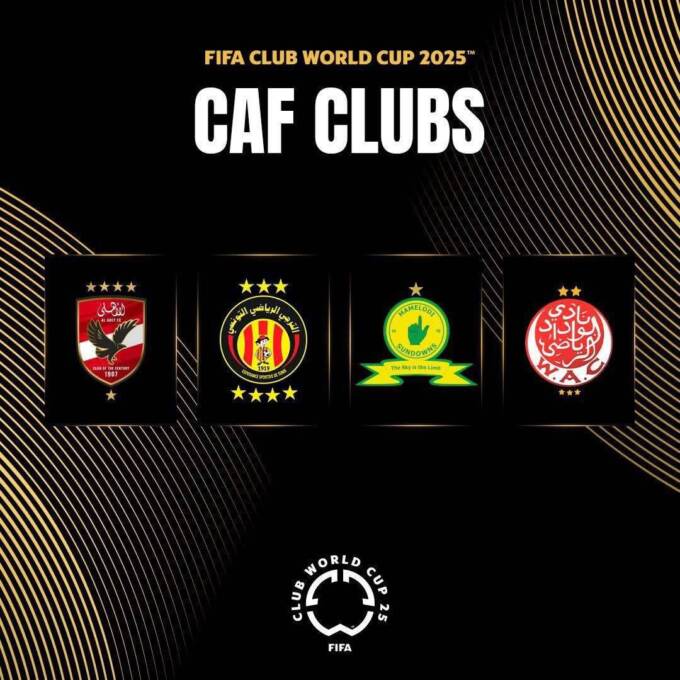
For Africa, the increase from four slots to six or seven represents a transformative opportunity. Top African sides will gain greater exposure and lucrative revenue opportunities on the global stage. Pyramids FC has already qualified as the 2024-25 CAF Champions League winner.
The 48-team format follows the model FIFA validated for the 2026 national team World Cup. Clubs will likely compete in a group stage followed by knockout rounds, testing travel logistics and player workload across an extended schedule.
ALSO READ:
- Trump to attend Club World Cup final as FIFA opens office in Trump Tower
- Nigeria awaits FIFA verdict in DR Congo World Cup dispute
- Legends reunite: Arsene Wenger, Guardiola, and Touré share FIFA Club World Cup moment
- Everything you need to know about the 2025 FIFA Club World Cup
Despite the FIFA-UEFA alignment, opposition persists. The World Leagues Association and players’ union FIFPRO continue to push back, arguing that further expansion intensifies player workload and increases injury risk in an already saturated calendar.
The proposal now heads to the FIFA Council for final approval later this year. If ratified, it will mark the most structural change in global club football since the competition’s modern relaunch.


