



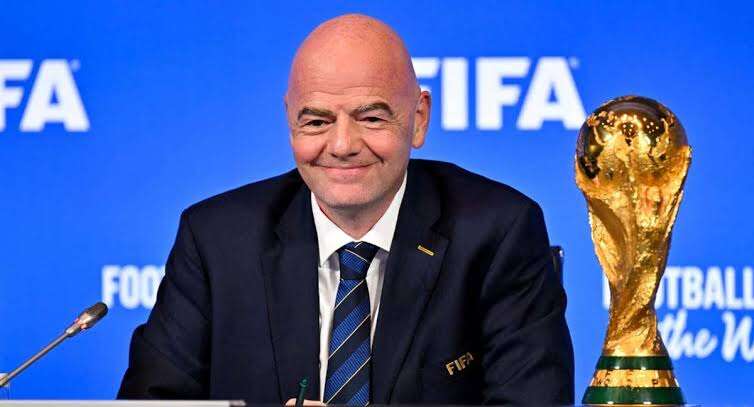
FIFA president Gianni Infantino has officially abandoned his controversial plan to sell stakes in the football governing body’s competitions.
The decision followed overwhelming global opposition from major continental confederations and key stakeholders.
Infantino admitted the project created severe division across the football ecosystem, defeating its original intended purpose. As a result, the Swiss official announced the proposal would no longer move forward.
“…As a result, this proposal will not proceed,” Infantino said.
Initially, Infantino offered $40m to member associations supporting private equity investment in major tournaments. However, UEFA threatened a complete World Cup boycott, while CONCACAF and the AFC firmly rejected the proposals.
“Our purpose has always been – and will always be – to unite and improve,” he sated.
“Moving forward, my intent is to bring all interested parties back together in the coming days and weeks in the spirit of shared interest in our game.”
Internal chaos and resignations shake FIFA leadership
The proposed plan aimed to launch a commercial subsidiary called FIFA Forward Enterprise alongside private equity firms. American venture capital firm Thrive Eternal was expected to lead the proposed investment group.
Investment bank JP Morgan projected massive revenue growth across future tournament cycles through strategic expansion. However, the proposal omitted details regarding women’s football while sparking intense backlash over governance integrity.
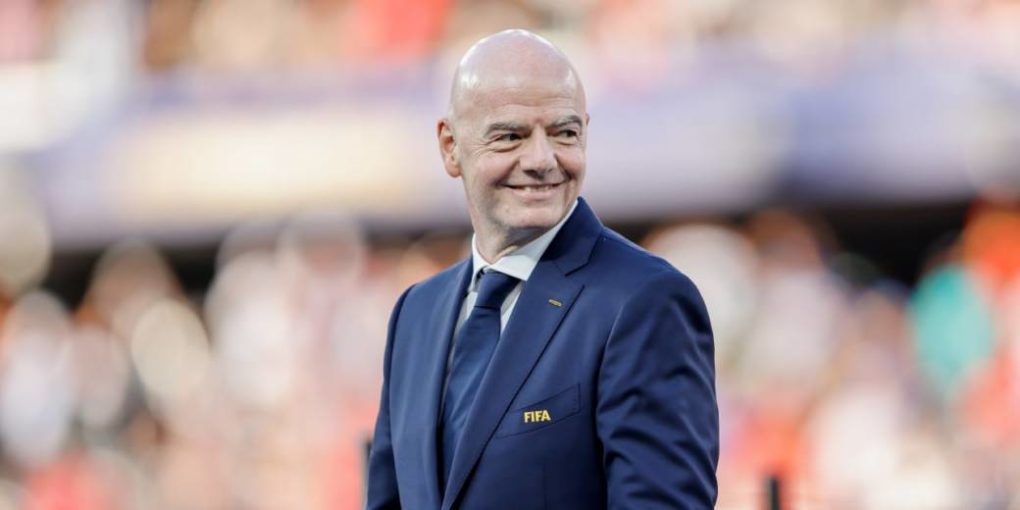
Subsequently, FIFA senior adviser Carlos Cordeiro resigned in protest, calling the proposal a dangerous deal. Chief operating officer Kevin Lamour also revealed internal staff felt deceived regarding the secretive project.
Infantino faces uphill battle before FIFA presidential elections
Furthermore, AFC president Sheikh Salman bin Ebrahim Al Khalifa welcomed the formal withdrawal of the plan.”
ALSO READ:
- Infantino tells FIFA critics to ‘meditate or pray’ after World Cup backlash
- Infantino confirms FIFA will explore 64‑team World Cup for 2030
The future of global football must always be shaped through proper consultation, collective dialogue and respect for the established governance structures of our game,” he stated.
Had voting proceeded, an estimated 136 member associations stood ready to block the commercial investment proposal. This formidable opposition made securing the required 106 votes virtually impossible for the FIFA president.
Rebuilding trust across world football
Consequently, Infantino faces immense political pressure as he prepares for the FIFA presidential elections in March. Prior to this crisis, observers expected the 56-year-old administrator to secure re-election completely unopposed.
Now, the FIFA leader must focus on restoring fractured relationships across global football confederations. Significant bridge-building remains essential if Infantino hopes to repair his damaged reputation before the upcoming congress.
Ultimately, this rapid collapse mirrors the infamous Super League failure, exposing deep governance flaws within FIFA. The immediate crisis has receded, but long-term political consequences will undoubtedly reverberate throughout world football.