

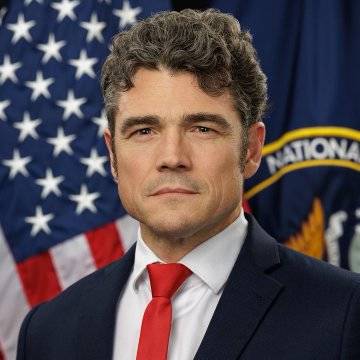
Former National Counterterrorism Centre director Joe Kent has criticised recent US military manoeuvres under President Donald Trump, warning that Washington risks drifting into what he described as a long-term “escalation trap” in the Middle East.
His comments come amid reports that the White House is increasing its military presence in the region following Iran’s alleged rejection of initial diplomatic outreach.
In a statement posted on his X page on Wednesday, Kent, who stepped down in March 2026, said the current approach reflects short-term political messaging rather than a coherent long-term security strategy.
Kent argued that tactical battlefield successes—such as strikes on Iranian military assets or the targeting of senior commanders—rarely translate into sustainable strategic gains.
Drawing parallels with the Global War on Terror, he cautioned that “high-impact” military operations often create the appearance of progress while masking the risk of prolonged conflict.
“To avoid a major disaster, we must first define what is truly vital to our national interests and act accordingly—regardless of the optics of the daily news cycle,” Kent said.
READ ALSO
Kent said the primary priority of the United States should be safeguarding global energy flows by ensuring that the Strait of Hormuz remains open and secure.
He urged a shift in policy based on three key measures.
He called for a military drawdown, which would involve reducing the US footprint across the Gulf region.
Kent proposed sanctions relief, arguing that easing economic pressure on Iran could help create room for diplomatic engagement.
He advocated for nuclear diplomacy, in which Iran’s commitment to remaining non-nuclear would be treated as a central diplomatic objective.
🔍 Explore More
- NRTC English Knowledge Base – Learn, improve, and sharpen your English skills.
- Top Stories From Around the World – Stay informed with the latest global news and insights.
- Specially Curated Listicles – Discover interesting lists, guides, and deep dives selected for our readers.
- Stay Updated: Join our mailing list and never miss the latest articles and updates from NRTC.
One of the most contentious aspects of Kent’s position is his call for Washington to reassess its support for Israel.
He argued that US policy should be recalibrated to avoid becoming entangled in regional conflicts that do not align directly with American strategic interests.
“We must pursue our own objectives, not theirs,” he said, warning that rigid demands for zero uranium enrichment from Iran could heighten the risk of escalation and draw the US into a costly conflict.
Kent concluded by urging the administration to recognise the limits of military force and adopt a more restrained foreign policy approach.
He argued that prioritising diplomacy over escalation would better serve long-term US stability and global influence.
The White House has previously dismissed Kent’s criticism, with Trump describing him as “weak on security”.
However, his remarks have added momentum to an ongoing debate within the “America First” movement over the potential costs of deeper US involvement in Iran-related tensions.


