
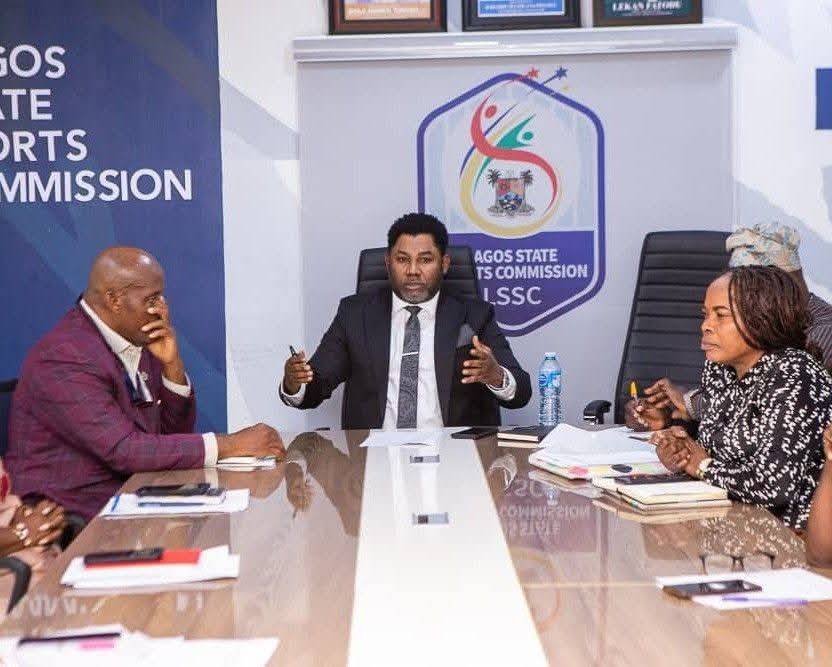
The Lagos State Government has taken a bold step to reposition its sports sector as a serious driver of economic growth.
This followed the Lagos State Sports Commission (LSSC) unveiling a new framework aimed at attracting long-term investment into the industry.
Rather than treating sports purely as recreation or entertainment, the state is now seeking to build a more structured and commercially viable ecosystem—one that can actively draw in private investors, entrepreneurs, and international partners.
At the heart of the new plan is a data-driven approach built around three key pillars.
The first pillar focuses on mapping existing assets, which involves identifying sports facilities, talent pools, and participation patterns across the state to better understand current strengths and gaps.
The second pillar is about reducing investment risks by introducing clearer, standardised processes that will give investors greater confidence in public-private partnerships, particularly in relation to facility development.
READ ALSO
The third pillar centres on driving innovation by supporting sports technology, fitness analytics, media platforms, and other startups that can help modernise the sector.
The Commission said this approach will help uncover underserved areas within the sports ecosystem while highlighting opportunities that can be commercially developed.
The Director-General of the LSSC, Lekan Fatodu, said Lagos is already rich in sporting talent but has long struggled with the absence of a strong commercial framework to sustain growth.
He explained that the new strategy is designed to change that narrative.
? Football Scores & Standings
Premier League Scores | Premier League Table | Live Scores | League Tables
“We are deliberately shifting the Lagos sports narrative from recreation to real economic value creation,” Fatodu said.
“Talent alone cannot thrive without a supporting business ecosystem. These reforms are designed to open up opportunities for investors, manufacturers, franchise owners, and innovators to scale.”
Fatodu added that the initiative aligns closely with the broader economic agenda of the state government under Babajide Sanwo-Olu, which seeks to use sports as a tool for youth engagement, job creation, and local enterprise development.
The framework also includes plans to streamline operations for franchise-based local leagues, which officials believe could become a strong attraction for both domestic and international investors looking for long-term opportunities in Lagos’ growing sports market.