








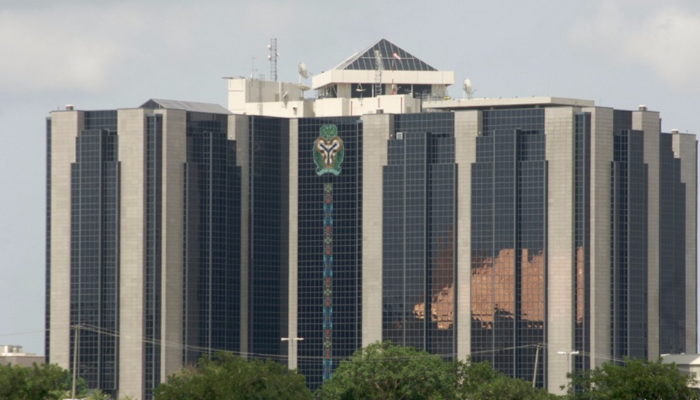
Nigeria’s external reserves have surpassed the $46 billion mark for the first time in approximately eight years, reinforcing stronger buffers for import cover and currency stability as the country approaches a pre-election year.
The Central Bank of Nigeria (CBN) released the latest data on January 22, 2026, showing reserves reaching this level, last recorded on August 27, 2018, when they stood at $45.9 billion.
The steady accretion reflects improved foreign exchange management and inflows since the FX reforms began, marking a notable turnaround from earlier volatility.
Reserves closed 2025 at approximately $45.5 billion, up from an opening level of $40.8 billion, with gains of about $509 million in the first 22 days of January 2026.
The upward trend has been consistent since December 19, 2025, coinciding with a strengthening exchange rate, where the official market closed at about N1,421 per dollar and the parallel market at around N1,490.
The official rate stood at approximately N1,553 per dollar during the period, with the parallel market trading near N1,645, creating a spread of over N100.
Nairametrics has tracked the improving external position, reporting reserves at $45 billion in December 2025, a six-year high at the time, with an increase of over $1 billion within weeks.
Reliable sources indicate net external reserves now exceed $30 billion, though the CBN does not publish unaudited net figures.
ALSO READ
Reserve growth has been supported by increased repatriation of funds from NNPC and exporters returning offshore proceeds.
The improved FX environment has encouraged businesses to convert dollars to naira, with forex-to-naira conversions estimated at $1 billion monthly in 2025.
Stronger reserves enhance the country’s ability to defend the naira, settle import bills, and manage balance-of-payments pressures, reducing vulnerability to external shocks.
At $46 billion, reserves can cover about 15 months of goods imports or roughly 10 months including services, historically associated with more stable exchange rates.
Concerns remain over dollarization in sectors like real estate and potential FX pressure from election spending, as political actors often prefer dollar funding.
The CBN projects reserves reaching $51.04 billion by the end of 2026, driven by higher oil earnings, sovereign bond issuance, diaspora remittances, and Dangote Refinery expansion.
Despite higher reserves, the gap between official and parallel market rates widened to about 4.8 per cent, approaching 5 per cent.
Analysts stress that sustained stability will depend on narrowing exchange rate disparities and maintaining reform momentum.