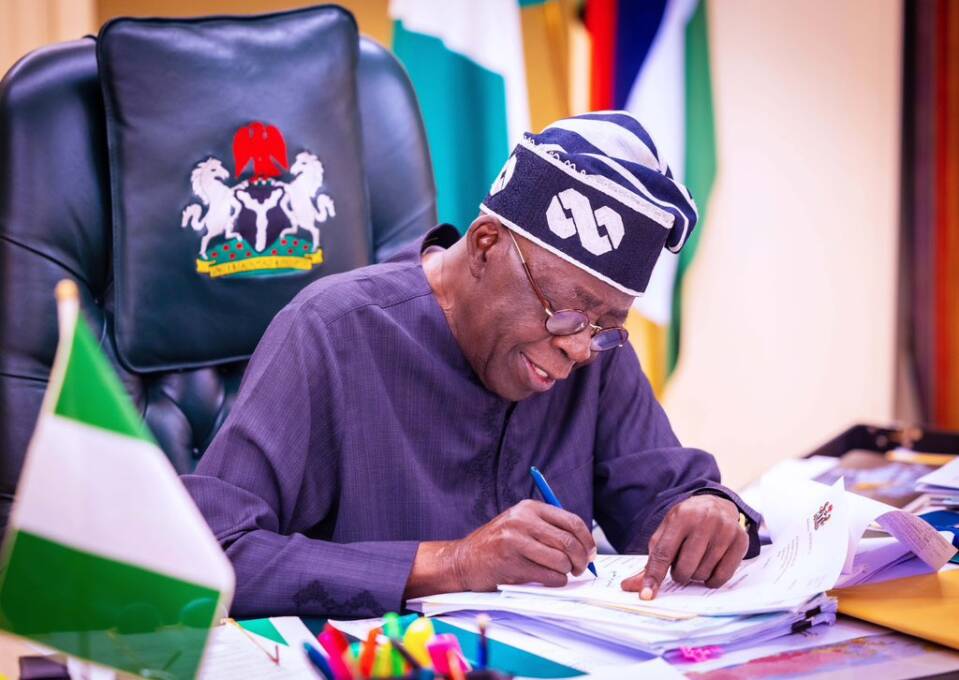
In what officials describe as a decisive step to reset Nigeria’s struggling electricity industry, President Bola Tinubu approved a ₦3.3 trillion intervention to clear long-standing debts that have weighed heavily on the sector for over a decade.
Announced on Sunday, the move targets liabilities built up between February 2015 and March 2025.
The aim is straightforward: restore financial stability, rebuild investor confidence and, ultimately, deliver more consistent electricity to homes and businesses.
For years, unpaid obligations across the electricity value chain — from gas suppliers to generation companies — created a cycle of disruption.
Power plants often struggled to access fuel, leading to reduced output and, at times, nationwide grid failures.
After a detailed audit of the sector’s obligations, the government pegged the total settlement at ₦3.3 trillion, describing it as a full and final resolution of legacy debts.
The Federal Government signed agreements covering ₦2.3 trillion with 15 major power generation companies.
READ ALSO
So far, it has raised ₦501 billion to kick-start repayments.
To date, ₦223 billion has already been paid out to creditors, with additional disbursements currently underway.
According to Olu Arowolo-Verheijen, Special Adviser on Energy to the President, the intervention goes beyond clearing arrears.
She explained that settling these debts would unlock consistent gas supply, allowing power plants to operate more reliably and at higher capacity.
For ordinary Nigerians, this is expected to translate into fewer outages and improved service.
The initiative also aligns with a broader reform agenda focused on making the sector more transparent and performance-driven.
Key elements include reducing reliance on estimated billing, aligning costs with the quality and duration of electricity supply and ensuring industries and small businesses receive steady power to support growth and job creation.
🔍 Explore More
- NRTC English Knowledge Base – Learn, improve, and sharpen your English skills.
- Top Stories From Around the World – Stay informed with the latest global news and insights.
- Specially Curated Listicles – Discover interesting lists, guides, and deep dives selected for our readers.
- Stay Updated: Join our mailing list and never miss the latest articles and updates from NRTC.
The President acknowledged the complexity of resolving the sector’s financial backlog and commended stakeholders involved in the process.
He also confirmed that the next phase of reforms — Series II, is set to roll out later this quarter.
With the debt burden easing, the government expects renewed investor interest and a gradual improvement in electricity supply.
While challenges remain, officials say this marks a critical turning point in Nigeria’s long journey towards a more stable and reliable power sector.