President Bola Tinubu has urged African countries to close ranks and end the long-standing practice of exporting unprocessed minerals, saying the continent must retain a greater share of the wealth generated from its natural resources.
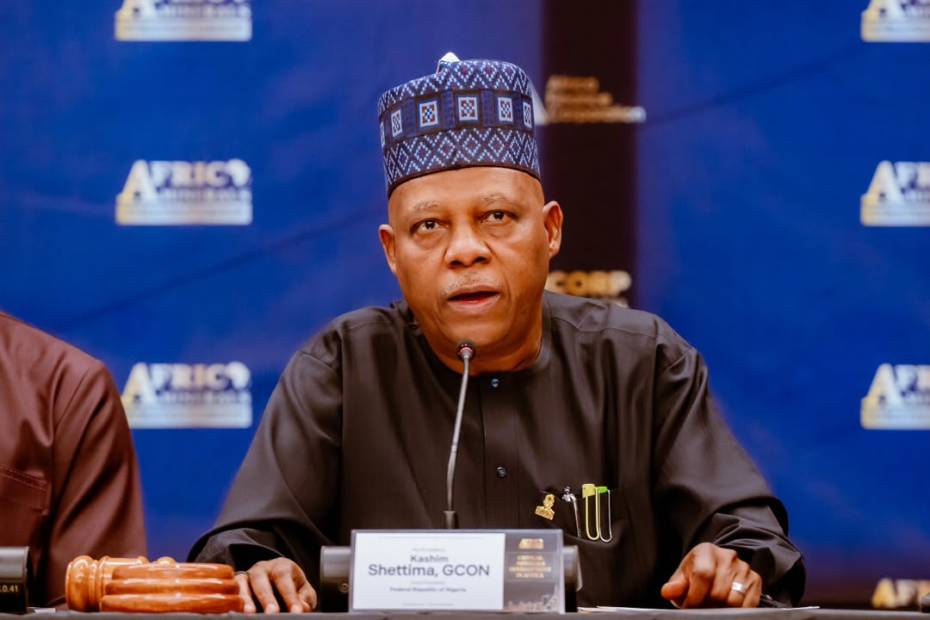
Tinubu made the call on Monday in New York, where Vice President Kashim Shettima delivered his address at the 3rd Africa Minerals Strategy Group (AMSG) High-Level Roundtable on Critical Minerals Development in Africa.
The meeting took place on the sidelines of the 81st Session of the United Nations General Assembly (UNGA) and brought together African leaders and key stakeholders to discuss ways to strengthen the continent’s position in the global critical minerals market.
The roundtable, convened and chaired by Tinubu, Shettima and the Minister of Solid Minerals Development, Dele Alake, who chairs the AMSG, was held under the theme, “From Resources to Wealth: Continental Cooperation for Mineral Value Addition, Data Sovereignty, Innovative Financing and Critical Minerals Security.”
Tinubu said Africa could not claim to be wealthy when millions of its people continued to live in poverty despite the continent’s vast mineral deposits.
📢 Stay Updated — Join Our WhatsApp Channel
💬 Be Part of Our WhatsApp Community
Join our WhatsApp Channel for curated updates, breaking stories, and exclusive insights from our newsroom.
📲 Join 👉 NRTC WhatsApp Channel
He pointed to minerals such as cobalt, copper, lithium and rare earth elements, which play important roles in clean energy, artificial intelligence and advanced manufacturing. However, he said communities where these resources are extracted often receive little in terms of jobs, infrastructure and economic benefits.
According to the President, Africa must change how it measures success in the mining sector by prioritising local refining, manufacturing, technology transfer and employment, while ensuring that wealth generated from the continent’s resources remains available for future generations.
He also cautioned African countries against pursuing mineral development independently while competing with one another through lower royalties, weaker local-content requirements and generous concessions to investors.
Tinubu argued that greater regional cooperation would give African countries a stronger negotiating position and enable them to secure a meaningful place in the global mineral supply chain.
He cited Nigeria’s ongoing reforms in the mining sector as an example of measures that could be adopted across the continent.
The President said the country now requires local value addition as part of the conditions for granting new mining licences. He also highlighted efforts to improve access to geological data, organise artisanal miners into cooperatives, tackle illegal mining and strengthen regulatory oversight.
The reforms, he said, had contributed to a significant increase in mining revenue, which rose from about ₦6 billion in 2023 to more than ₦38 billion in 2024. Revenue reportedly reached between ₦68.1 billion and ₦70 billion in 2025.
ALSO READ
- Tinubu urges African nations to end raw mineral exports, retain wealth
- Diri charges permanent secretaries on professionalism, effective governance
- Ondo govt, university unions end wage dispute after Aiyedatiwa approves new salary structure
He also pointed to increased foreign investment in the sector, including large-scale lithium processing plants commissioned in Nasarawa State.
Tinubu urged AMSG member states to move quickly to implement the recently adopted Continental Integration and Economic Assurance Declaration (CIEAD).
He said the declaration should not end with a ceremonial signing, but should be backed by a clear implementation framework containing timelines, funding arrangements and mechanisms for public accountability.
Earlier, Alake said the CIEAD would provide a common framework for African countries to coordinate the development of their solid mineral value chains.
The minister urged other African countries that are not members of the AMSG to join the group, saying greater participation would help countries align their policies, pool resources and develop integrated infrastructure and financing arrangements for the sector.
Kenya’s Minister of Blue Economy and Maritime Affairs, Hassan Joho, also called for stronger domestic financing of mineral development.
🔍 Explore More
- NRTC English Knowledge Base – Learn, improve, and sharpen your English skills.
- Top Stories From Around the World – Stay informed with the latest global news and insights.
- Specially Curated Listicles – Discover interesting lists, guides, and deep dives selected for our readers.
- Stay Updated: Join our mailing list and never miss the latest articles and updates from NRTC.
Joho stressed the need for better coordinationnnnnnn of licensing processes, greater transparency and competitive systems, while noting that such measures must respect the sovereignty of individual countries.
Government representatives from Liberia, Chad and Tanzania, as well as officials from development finance institutions, also contributed to the discussions.