

This year’s theme, “Fostering disability-inclusive societies for advancing social progress”, underscores the truth that no society can claim genuine progress while leaving persons with disabilities behind.
Its significance lies in shifting the narrative from charity to rights. It emphasises that inclusion is not a favour but a fundamental necessity for justice, equality, and sustainable development. By ensuring that people with disabilities have equal access to education, healthcare, employment, and political participation, societies unlock the full potential of all citizens. This reduces inequality and strengthens social cohesion.
In essence, the theme reminds us that disability inclusion is a cornerstone of social progress. Without it, growth remains incomplete and unjust.
ALSO READ
Current realities on the inclusion of people living with disability in Nigeria

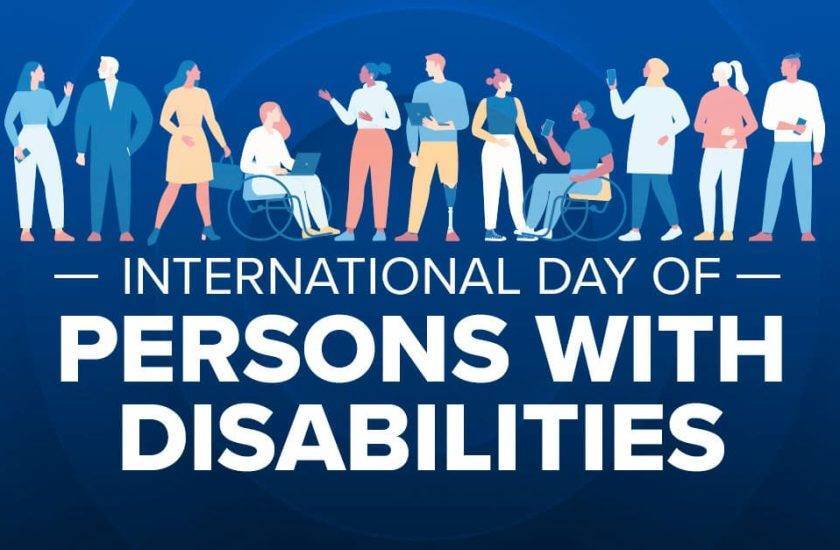
Despite the measures taken by the government to curb the non-inclusiveness of people living with disabilities, there remain some lapses and a high level of non-inclusivity. This is portrayed by the number of people who are disabled begging for alms on the road. Also, the ones around us who are of no use to the economy. This is because our society limits the potential of disabled persons by not creating adequate provisions for their inclusion. The realities of people living with disabilities in Nigeria include:
Policy vs. Practice Gap
Nigeria passed the Discrimination Against Persons with Disabilities (Prohibition) Act in 2019. It mandates accessibility in public buildings, inclusive education, and equal opportunities. Yet, enforcement remains weak, and many institutions are non-compliant.
Limited Accessibility
Most public infrastructure, schools, hospitals, and transportation systems lack ramps, elevators, or accessible signage. This makes everyday mobility and participation extremely difficult for PWDs. As of 2025, most government offices, schools, and hospitals across Nigeria remain inaccessible. For instance, many public schools still lack ramps or accessible toilets, forcing children with disabilities to stay home or depend on charity schools. Similarly, intercity buses and airports rarely provide wheelchair access or priority seating. This means that despite the law, PWDs continue to face exclusion in everyday life.
Employment Barriers
Despite initiatives like the National Access to Work Scheme launched in 2025, unemployment among PWDs remains disproportionately high. Employers often discriminate, citing “lack of capacity” rather than providing reasonable accommodations.
Education Gaps
Inclusive education remains a rarity. Many children with disabilities are excluded from mainstream schools due to inaccessible facilities and a lack of trained teachers.
Healthcare Inequities
PWDs face challenges accessing healthcare, both physically (inaccessible hospitals) and socially (stigmatisation by health workers).
Representation Issues
While Nigeria hosted the 2025 National Disability Summit to renew commitments, PWDs remain underrepresented in governance and decision-making processes.
Ways we could do better
Strengthen Enforcement
Nigeria’s Discrimination Against Persons with Disabilities Act (2019) was a landmark law, but enforcement has been weak. The five-year compliance window for public buildings to become accessible expired in January 2024. Yet, most government offices, schools, and hospitals remain without ramps, elevators, or signage.
For instance, many court buildings in Abuja and Lagos are still inaccessible to wheelchair users. This effectively denies them justice. Establishing monitoring bodies with the power to impose fines or revoke licenses for non-compliance would ensure that disability rights move from paper to practice.
Inclusive Infrastructure Public infrastructure in Nigeria continues to exclude persons with disabilities. In Lagos, buses under the Bus Rapid Transit (BRT) system lack wheelchair lifts. Moreover, pedestrian bridges remain inaccessible. Similarly, most banks and post offices across the country still have steep staircases without ramps.
Mandating accessibility standards in all new public and private buildings, transport systems, and even digital platforms would prevent future exclusion. For example, requiring all new housing estates in Abuja to include accessible pathways and elevators would set a precedent for inclusive urban development.
Education Reform
Children with disabilities are often left behind in Nigeria’s education system. A 2023 UNICEF report noted that many schools lack trained teachers or assistive technologies. This situation forces children with visual or hearing impairments to drop out.
In Oyo State, for example, schools rarely provide sign language interpreters. As a result, deaf students are unable to follow lessons. Training teachers in inclusive practices, integrating disability studies into curricula, and providing assistive devices like braille machines or hearing aids would ensure that every child has a fair chance at education.
Economic Empowerment
Employment opportunities for persons with disabilities remain scarce. Despite the National Access to Work Scheme launched in 2025, many employers still discriminate, citing “lack of capacity.”
For example, in Kano, several qualified graduates with disabilities reported being rejected from job interviews once employers noticed their physical impairments.
Offering tax breaks to businesses that hire PWDs and expanding vocational training programs such as tailoring, ICT, and entrepreneurship would not only empower individuals but also boost Nigeria’s economy by tapping into an underutilised workforce.
Healthcare Access
Healthcare facilities in Nigeria are largely inaccessible. In many rural clinics, narrow doorways and steep steps prevent wheelchair users from entering. Even in urban hospitals, patients with disabilities often face stigma from health workers who see them as “burdens.”
For instance, a woman with mobility challenges in Enugu reported being turned away from a maternity ward. Staff claimed they could not “handle her case.” Ensuring hospitals are physically accessible and training health workers to provide respectful, inclusive care would make healthcare a right for all, not a privilege for the able-bodied.
Representation
Persons with disabilities remain underrepresented in Nigeria’s political and decision-making spaces. While the National Commission for Persons with Disabilities was established in 2020, PWDs rarely hold seats in state assemblies or local councils. This lack of representation means policies often overlook their needs. Guaranteeing seats for PWDs in policymaking bodies, similar to how some countries reserve parliamentary seats for marginalised groups, would ensure their voices shape national development. Strengthening organisations of persons with disabilities (OPDs) would also amplify advocacy and hold the government accountable.
Public Awareness
Launch nationwide campaigns to shift perceptions from charity to rights, emphasising that disability inclusion benefits society as a whole.
In conclusion, the International Day of People with Disabilities is more than a commemoration; it is a call to action. Nigeria’s journey toward disability inclusion has begun with laws and policies, but the lived realities of persons with disabilities reveal that much remains undone.
From inaccessible schools and hospitals to widespread unemployment and underrepresentation in governance, the gap between promise and practice continues to limit the potential of millions.
True progress demands that Nigeria enforces its laws, invests in inclusive infrastructure, reforms education, empowers disabled citizens economically, and ensures their voices are heard in decision‑making.
Disability inclusion is not charity, it is justice, and it is the foundation of sustainable social progress. Nigeria will achieve the equitable and prosperous society it envisions only when every Nigerian, regardless of ability, thrives.


