



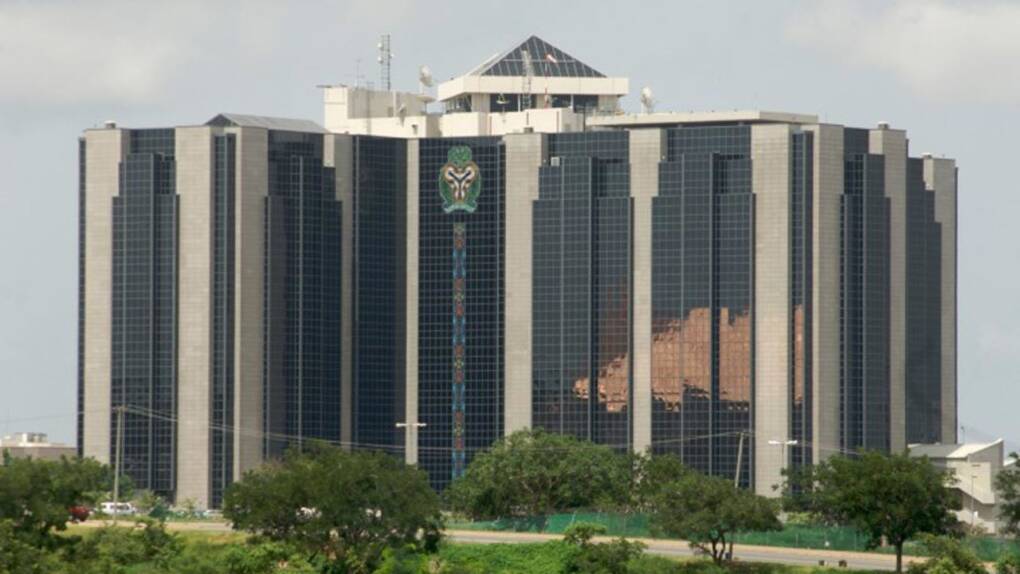
The Central Bank of Nigeria (CBN) has warned the public about fraudulent messages and links designed to gain unauthorised access to personal bank accounts, according to a press release issued on April 22, 2026.
Hakama Sidi Ali, Acting Director of Corporate Communications at the CBN, said fraudsters are circulating deceptive emails and online messages falsely claiming to originate from the institution.
“These fraudulent messages, which prompt recipients to click links, peddle false information about the Bank’s leadership, licensing, and policy issues, and are intended to hack personal accounts,” Sidi Ali stated.
The apex bank clarified that its official website remains the primary channel for verified communication and urged the public to rely only on trusted sources.
The bank advised against clicking suspicious links or sharing sensitive personal information online.
The alert comes amid a growing wave of cyber threats targeting public institutions in Nigeria.
ALSO READ
The Corporate Affairs Commission recently shut down its online portal for three days following a cybersecurity threat, with reports indicating that as many as 25 million documents may have been compromised.
The Nigeria Data Protection Commission launched a formal investigation into the CAC incident, citing risks to sensitive corporate and personal data.
In June 2025, the CBN had warned Nigerian banks and fintech firms to strengthen their cybersecurity frameworks as the industry moved toward open banking.
A recent report by the Federal Bureau of Investigation revealed that cybercrime involving artificial intelligence led to losses exceeding $893 million in 2025, with Nigeria recording 1,219 complaints.