




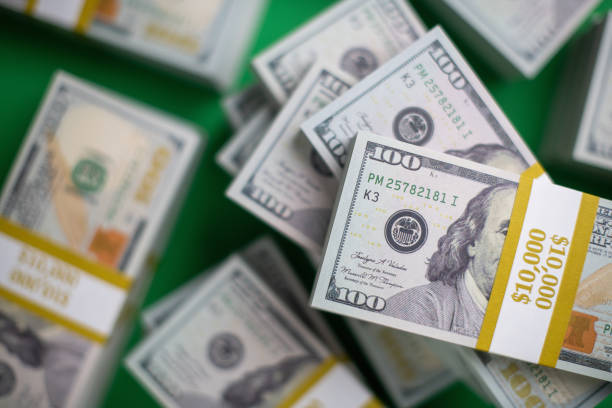
Nigeria’s foreign exchange reserves increased by about $551 million within the first three weeks of May 2026, reversing the steady decline recorded throughout April, according to new figures released by the Central Bank of Nigeria.
Data from the apex bank showed that gross external reserves rose from $48.34 billion on May 4 to $48.89 billion as of May 21. The development signals renewed improvement in the country’s external liquidity position after weeks of pressure linked to foreign exchange interventions and debt obligations.
The reserves had fallen consistently in April, beginning at $49.18 billion on April 1 before dropping to $48.94 billion by April 7. The position weakened further to $48.63 billion by April 17 and closed the month at $48.36 billion.
The latest rebound comes amid ongoing efforts by monetary authorities to stabilize the foreign exchange market and improve investor confidence. The recovery also follows earlier reserve losses recorded in March and April.
ALSO READ: NCAA suspends ‘no-pay, no-service’ directive for domestic airlines
Speaking after the Monetary Policy Committee meeting, Central Bank Governor Olayemi Cardoso said the reserve position remains a major factor supporting confidence in the Nigerian economy and exchange rate stability.
“This strong buffer continues to reinforce investor confidence in the Nigerian economy and support exchange rate stability,” Cardoso said.
The CBN governor had earlier addressed concerns over reserve movements during a briefing after the International Monetary Fund Spring Meetings in April. He stated that temporary declines in reserve figures should not create panic in the market environment.
📢 Stay Updated — Join Our WhatsApp Channel
💬 Be Part of Our WhatsApp Community
Join our WhatsApp Channel for curated updates, breaking stories, and exclusive insights from our newsroom.
📲 Join 👉 NRTC WhatsApp Channel
“In fact, what concerns me is not so much the decline in reserves, but the reaction to relatively small swings in the numbers,” he said.
Nigeria’s reserves had previously risen by about $509 million in January 2026 following stronger foreign exchange inflows. The CBN also projected that reserves could reach $51 billion before the end of the year as part of broader macroeconomic stabilization measures.
The improvement in reserves has been linked to ongoing foreign exchange reforms introduced by the Federal Government and the Central Bank over the past year to strengthen market confidence and support external stability.
🔍 Explore More
- NRTC English Knowledge Base – Learn, improve, and sharpen your English skills.
- Top Stories From Around the World – Stay informed with the latest global news and insights.
- Specially Curated Listicles – Discover interesting lists, guides, and deep dives selected for our readers.
- Stay Updated: Join our mailing list and never miss the latest articles and updates from NRTC.