
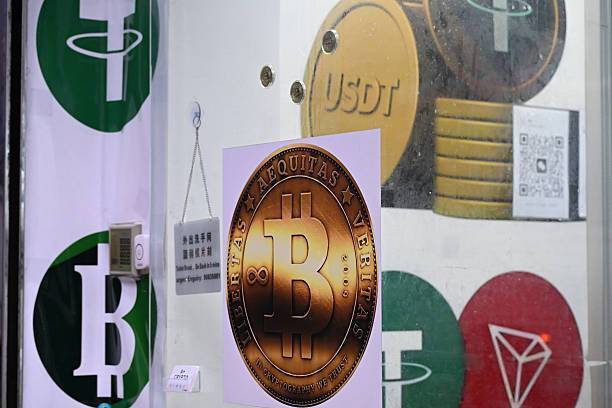
The International Monetary Fund (IMF) has urged Nigerian authorities to bring stablecoins and other crypto-asset activities under formal regulatory oversight as part of measures to strengthen financial stability and protect recent economic gains.
The recommendation was contained in the IMF’s latest Article IV Consultation Report on Nigeria, which was concluded by the Fund’s Executive Board on June 1 and released on June 9, 2026.
ALSO READ: IMF warns oil surge may raise global inflation by 40 basis points
According to the IMF, growing adoption of digital assets and rapid financial innovation require stronger supervisory frameworks to prevent potential risks from spreading into the broader financial system.
📢 Stay Updated — Join Our WhatsApp Channel
💬 Be Part of Our WhatsApp Community
Join our WhatsApp Channel for curated updates, breaking stories, and exclusive insights from our newsroom.
📲 Join 👉 NRTC WhatsApp Channel
The Fund highlighted the need for stablecoins and other crypto-related activities to be brought within the country’s regulatory framework.
The IMF noted that Nigeria’s financial system remains generally resilient, supported by ongoing banking sector recapitalisation efforts.
However, it warned that regulators must remain vigilant as digital asset activities increasingly intersect with traditional financial institutions through fintech platforms, payment systems and custodial services.
The Fund also identified other risks facing the financial sector, including rising non-performing loans, increasing exposure of banks to government debt and vulnerability to volatile portfolio investment flows.
It called for enhanced monitoring and stronger supervision to address these concerns.
In addition, the IMF urged the Central Bank of Nigeria to maintain a tight and data-driven monetary policy stance until inflation is brought under control.
The Fund also expressed support for Nigeria’s flexible exchange rate system while recommending a gradual reduction in dependence on short-term foreign portfolio inflows.
The report further encouraged the implementation of Basel III banking standards, including liquidity coverage requirements and countercyclical capital buffers, to improve the resilience of the banking sector.
ALSO READ: Florentino Pérez wins re-election as Real Madrid president
Beyond financial sector reforms, the IMF called for broader structural changes to support sustainable economic growth.
It identified governance, infrastructure, electricity supply, agriculture, security and human capital development as key areas requiring attention.
🔍 Explore More
- NRTC English Knowledge Base – Learn, improve, and sharpen your English skills.
- Top Stories From Around the World – Stay informed with the latest global news and insights.
- Specially Curated Listicles – Discover interesting lists, guides, and deep dives selected for our readers.
- Stay Updated: Join our mailing list and never miss the latest articles and updates from NRTC.
Nigeria has already taken steps toward regulating the crypto industry.
In August 2024, the Securities and Exchange Commission granted Approval-in-Principle to crypto exchanges Quidax and Busha under its Accelerated Regulatory Incubation Programme, making them among the first recognised digital asset trading platforms in the country.