



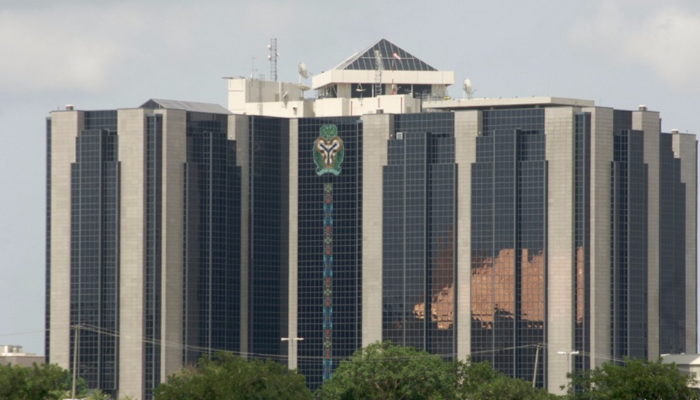
The Central Bank of Nigeria (CBN) has cautioned that rising election-cycle spending and persistent excess liquidity pose significant risks to national macroeconomic stability.
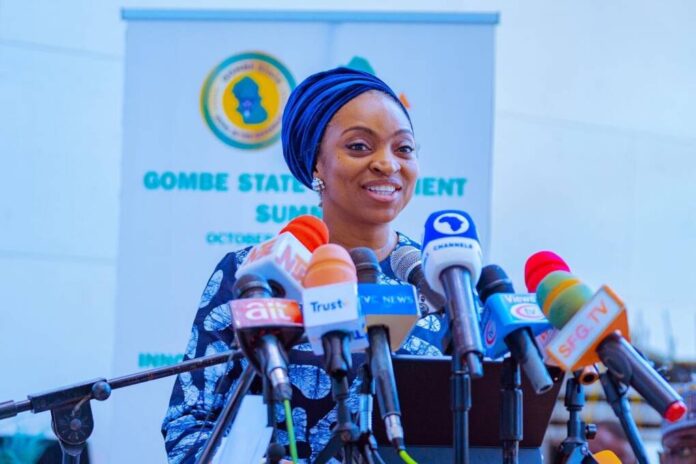
Governor Yemi Cardoso issued this warning during the National Economic Council conference at the Presidential Villa on February 10, 2026.
Although recent monetary tightening has stabilized exchange rates, the apex bank described the current economic recovery as fragile and susceptible to policy reversals. This vulnerability stems from a substantial liquidity overhang that continues to fuel inflationary pressures and currency volatility.
Cardoso noted that while monetary policy is a vital tool, it cannot independently fix structural issues like food supply shocks and infrastructure deficits.
He revealed that previous intervention programs totaling N10.93 trillion provided temporary relief but ultimately created long-term distortions in the financial system.
ALSO READ
To address these imbalances, the Governor emphasized the need for disciplined liquidity control and tighter coordination between fiscal and monetary authorities. Furthermore, he stated that “no central bank can sustainably deliver low and stable inflation alone” where structural drivers like food supply shocks and high energy costs dominate price formation.
The CBN also identified the fiscal behavior of subnational governments as a primary factor influencing the country’s broader economic outcomes. State governments now manage approximately half of the revenues from the Federation Account, significantly impacting domestic liquidity and growth.
Consequently, the apex bank urged state leaders to prioritize sustainable borrowing frameworks and invest in infrastructure to reduce cost-push inflation. This shift in focus reflects the increasing influence of state-level fiscal decisions on national stability following recent revenue reforms.