




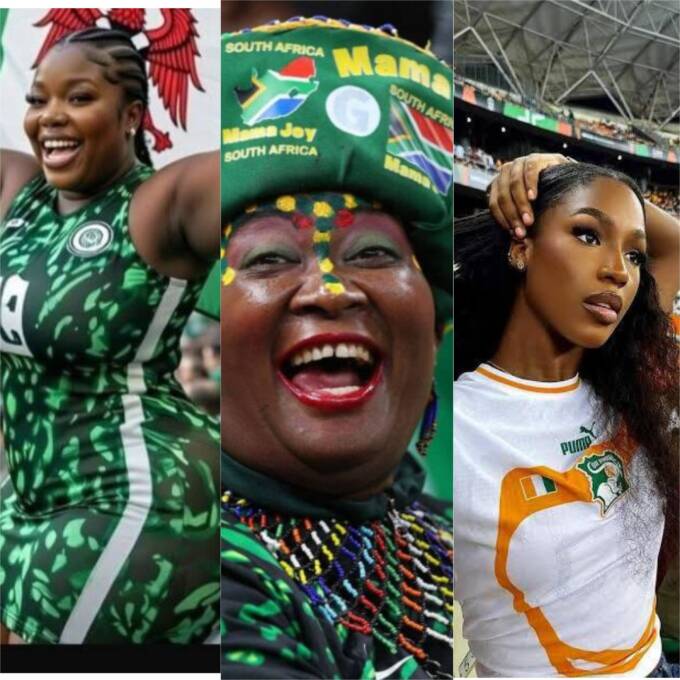
AFCON 2025, hosted across Morocco’s major cities, arrived with heavy expectations. It followed a tournament that had reshaped African football’s global image and drew record viewership across the continent and beyond.
More importantly, it came at a moment when African football was no longer asking for attention; it was commanding it. Against that backdrop, the tournament produced not just memorable matches, but images that told deeper stories about power, identity, memory, and everyday life.
AFCON 2025 did not announce itself with goals. It announced itself with presence. The early images were not of players, but of people arriving. People well-dressed, composed, stepping into the stadium with the air of something important about to happen.



It set the tone. This tournament was not just about football. It was about how Africa showed up for itself.


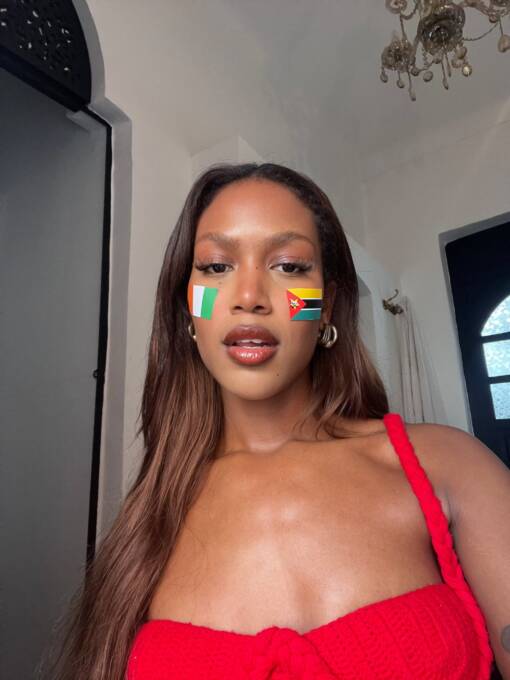
One of the first images that stayed with many viewers was not from the pitch at all. A political figure sat among ordinary fans in the stands, no elevated seat, no visible security buffer. In that frame, hierarchy disappeared. AFCON has always had that effect; it turns power into passion and status into shared emotion.
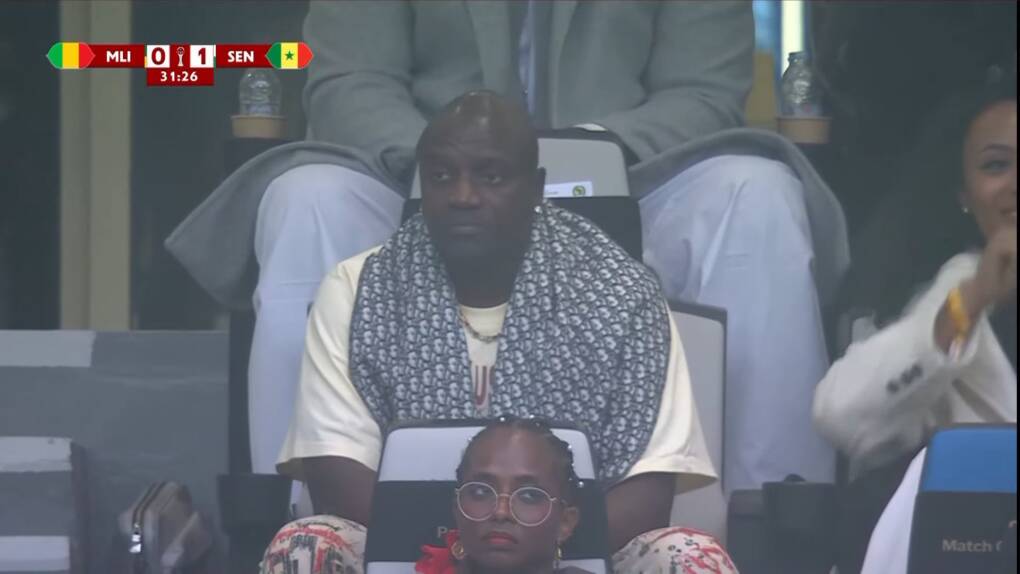
Then came the photograph that shifted the mood. A player stood on the pitch holding his child, both wearing national colours. It was not staged, and it was not sentimental. It was simple. Football was no longer just about ninety minutes. It was about what gets passed on.

The crowd soon took over the narrative. One image shows a man standing above the supporters, arms raised, leading chants.
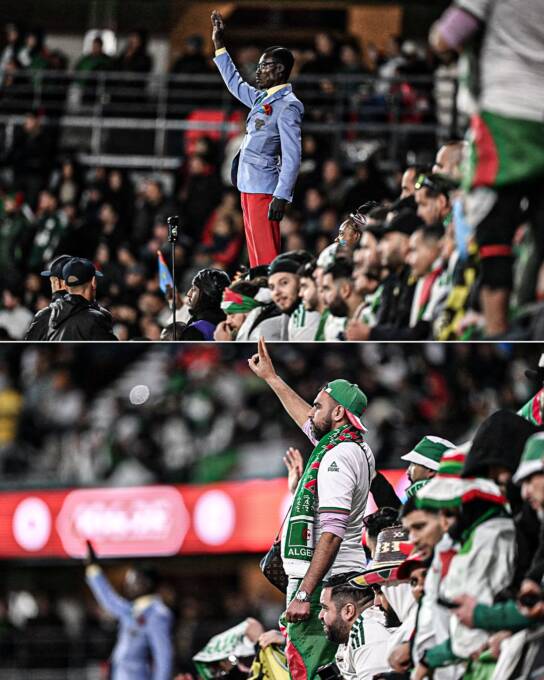
He was not a coach, not a player, not an official, just a fan who became the face of a moment. AFCON has always produced those figures: ordinary people who, for a few minutes, carry the energy of an entire stadium.
Away from the noise, a quieter image appeared: a street sign bearing the name Patrice Lumumba.
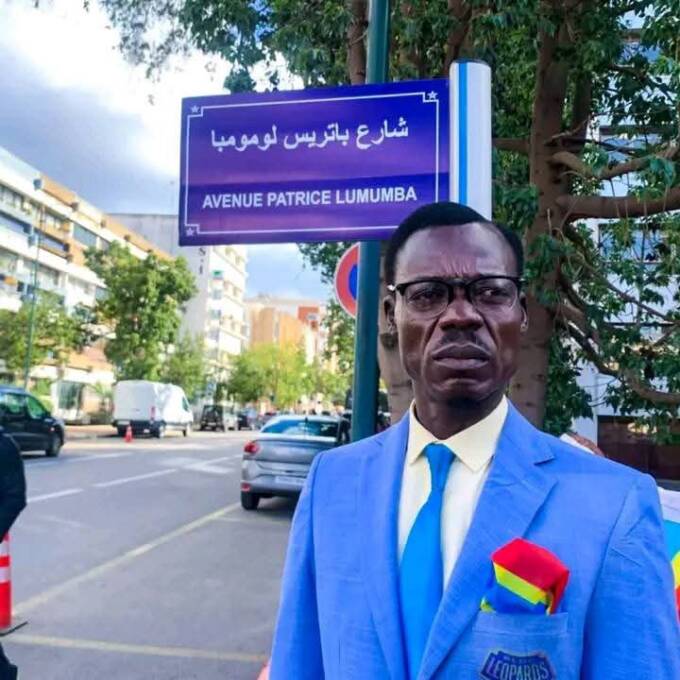
It felt unrelated to football at first glance, but it wasn’t. AFCON has never existed in isolation. It happens in real places, with real histories, and that photograph grounded the tournament in the continent’s political memory.

Back on the touchline, the tension returned. A coach stood rigid, hand raised, eyes fixed on the pitch. There was no shouting, no dramatics, just pressure. The kind that doesn’t need sound.
Then the save. A goalkeeper in green stood upright, arm raised after stopping a critical attempt.
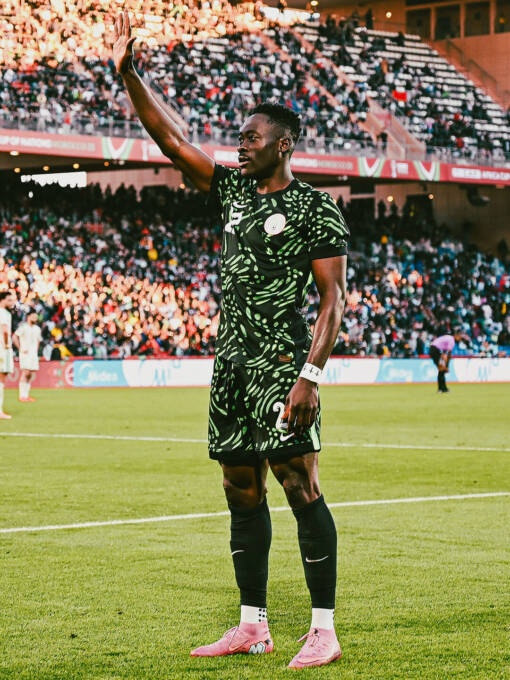
The moment froze not because of celebration, but because of what it prevented. Goals are remembered. Saves are felt.
Not all moments were dramatic. Some were ordinary, and that is what made them meaningful. A man and a woman leaned over a phone in the stands, checking something, a replay, a stat, maybe a message.

It was modern fandom: part stadium, part screen, entirely engaged.
ALSO READ
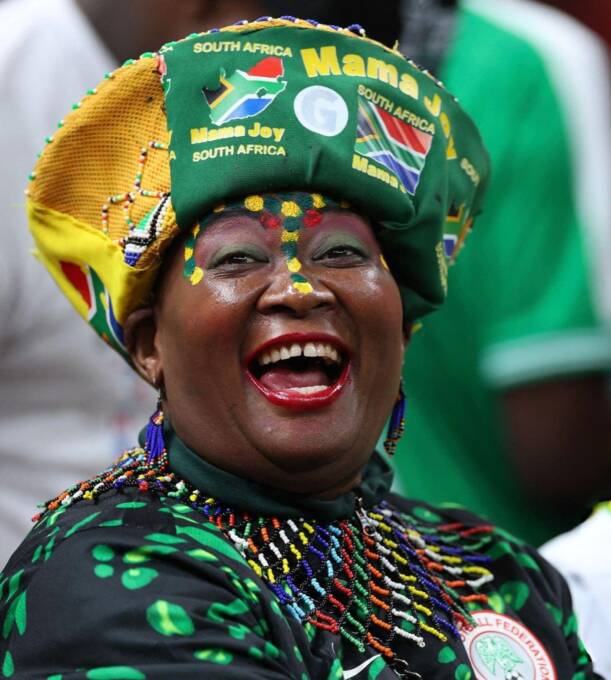
Faces told their own stories. A young woman with her face painted in national colours stared ahead, expression steady. It was more than excitement. It was a focus. Support, in its quiet form.
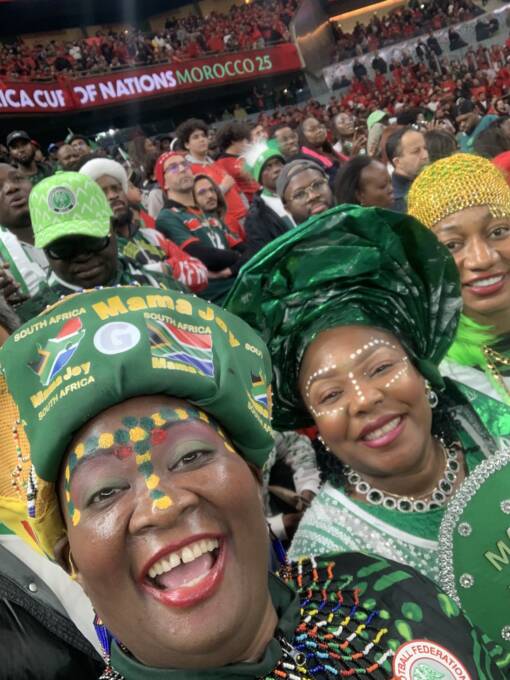
Another image showed a woman adjusting her hair in the stands, wearing her country’s jersey. It was not posed. It was casual. And that is what made it real: football lived, not performed.

RECOMMENDED WATCH
As the tournament progressed, the trophy became unavoidable. Every camera found it. Every light framed it. Not only because it was beautiful, but because it was the point of everything.

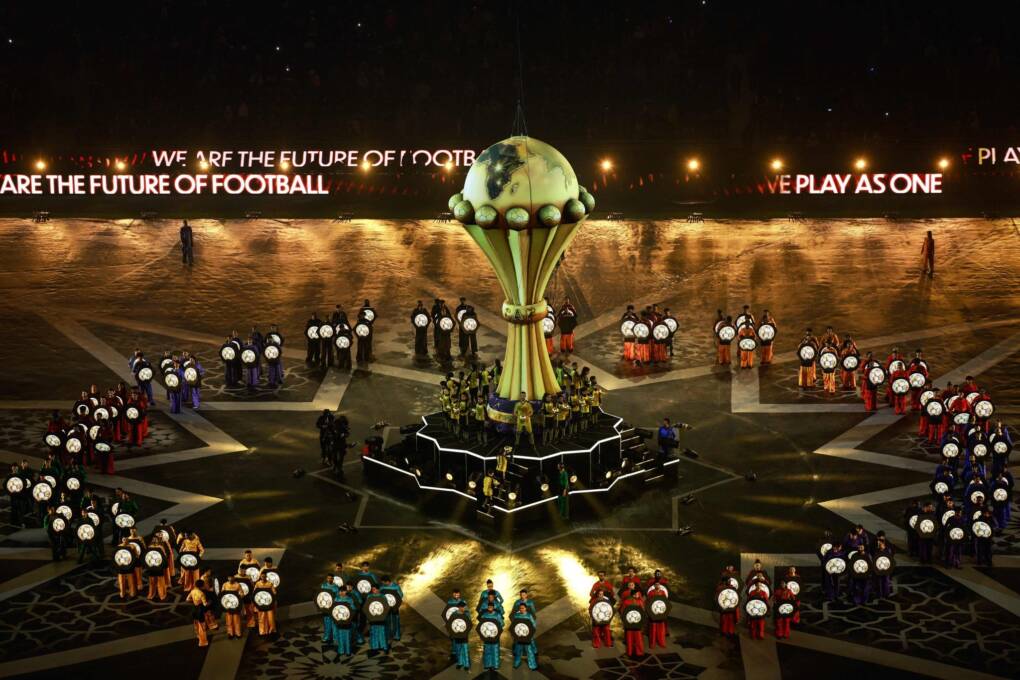
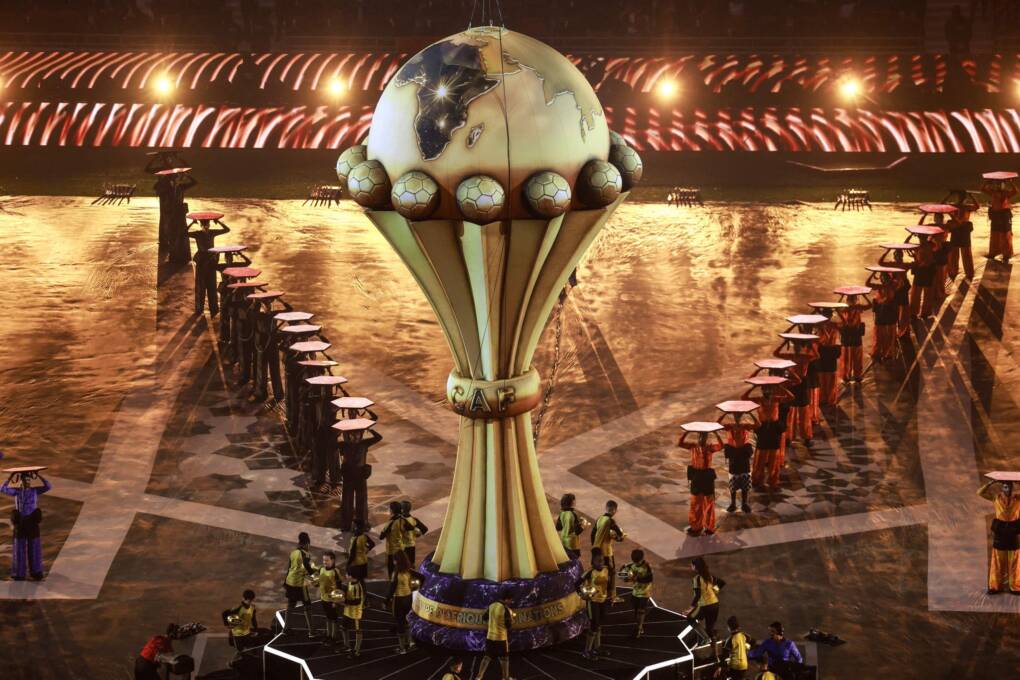
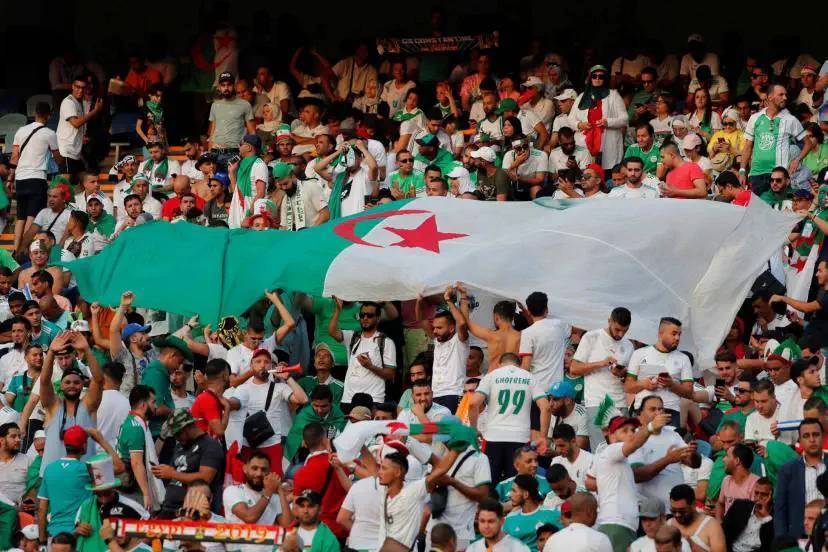
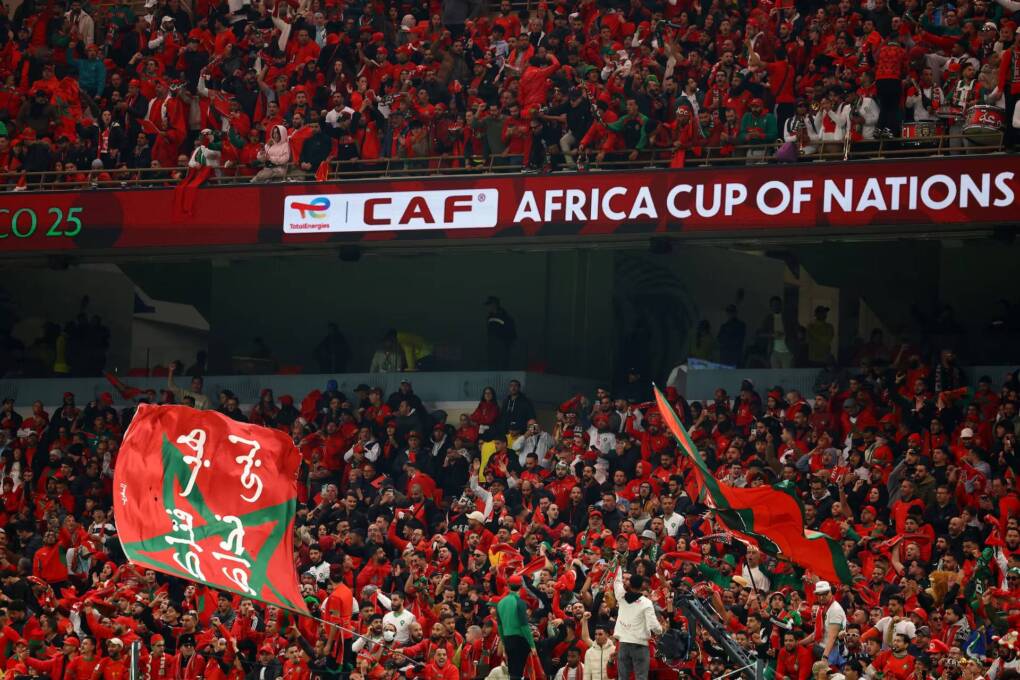
The wider shots told the larger story. Flags. Drums. Movement. Noise. Colour. AFCON does not look like other tournaments because Africa does not gather quietly.
Some of the most important images, however, were not of players or fans, but of the people documenting the event. A female photographer in a hijab stood at the touchline, camera raised.
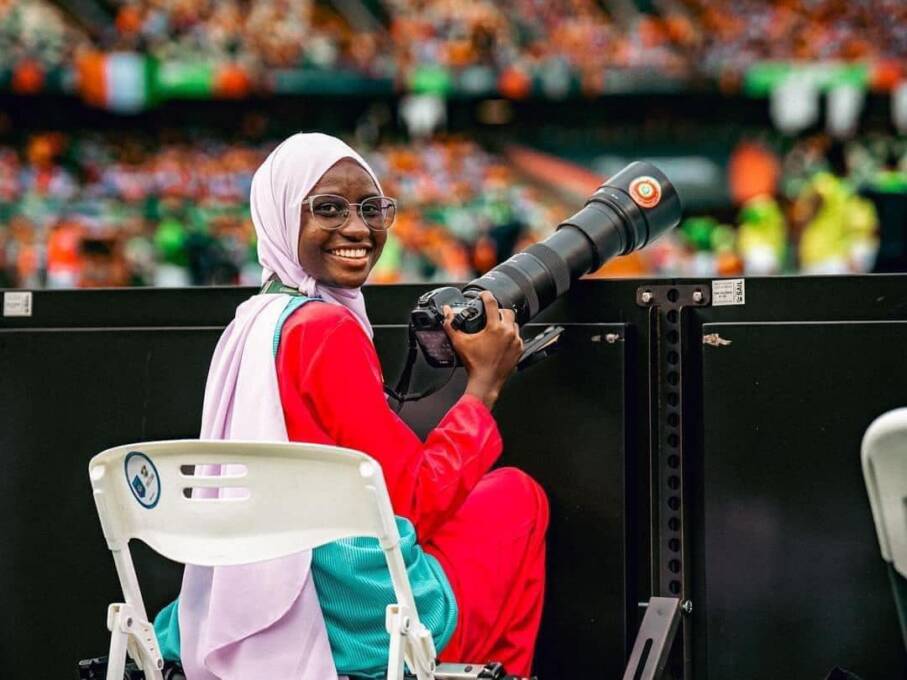
Other women, also photographers and others as broadcasters, worked nearby in team colours and African fabrics.
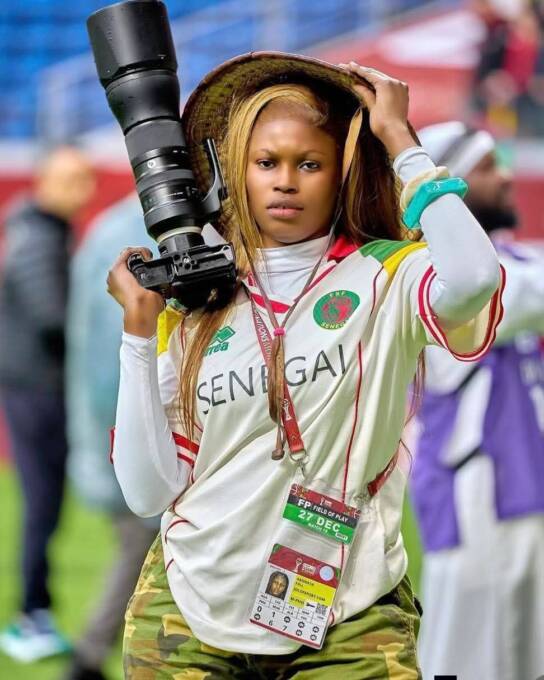
On the pitch, a female broadcaster walked confidently with her equipment, not as a guest but as part of the operation. It was not symbolic. It was practical. And that is exactly why it mattered.

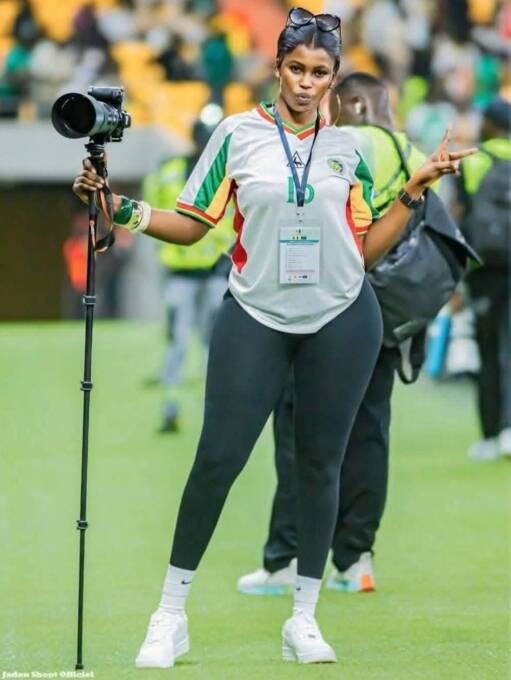

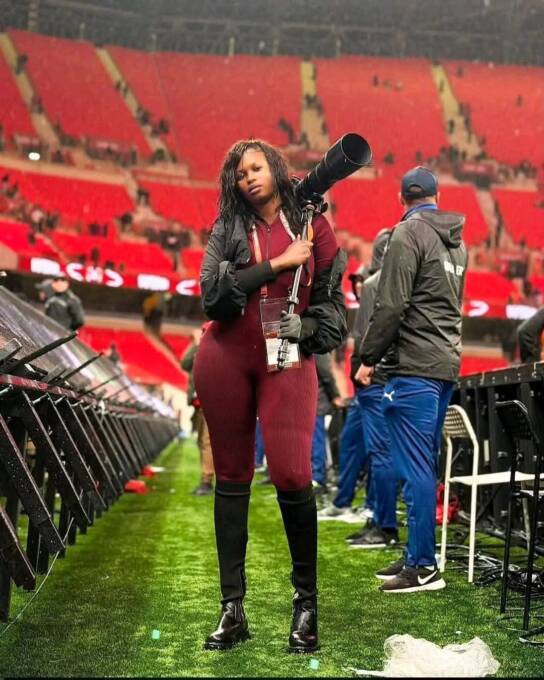


These images mattered because they showed who was shaping the visual record of African football.
The closing images returned to spectacle, evident in lights, fireworks, and the trophy centre stage. But by then, the story had already been told, not in the ceremony, but in the faces, the gestures, the silences, and the ordinary moments that filled the spaces between goals.

AFCON 2025 will be remembered for matches and results. But these images tell a deeper story: how Africa watched, how Africa showed up, and how Africa saw itself.