

The Federal Government (FG) has unveiled new measures to strengthen oversight of poultry import allocations and enforce stricter performance standards across the industry, in a bid to eliminate supply bottlenecks, improve access to day‑old chicks, and support the growth of Nigeria’s poultry sector.
The announcement comes amid growing concerns that many operators have failed to fully utilise approved import quotas, a development that has contributed to shortages of day‑old chicks, rising production costs, and limited opportunities for thousands of poultry farmers nationwide.
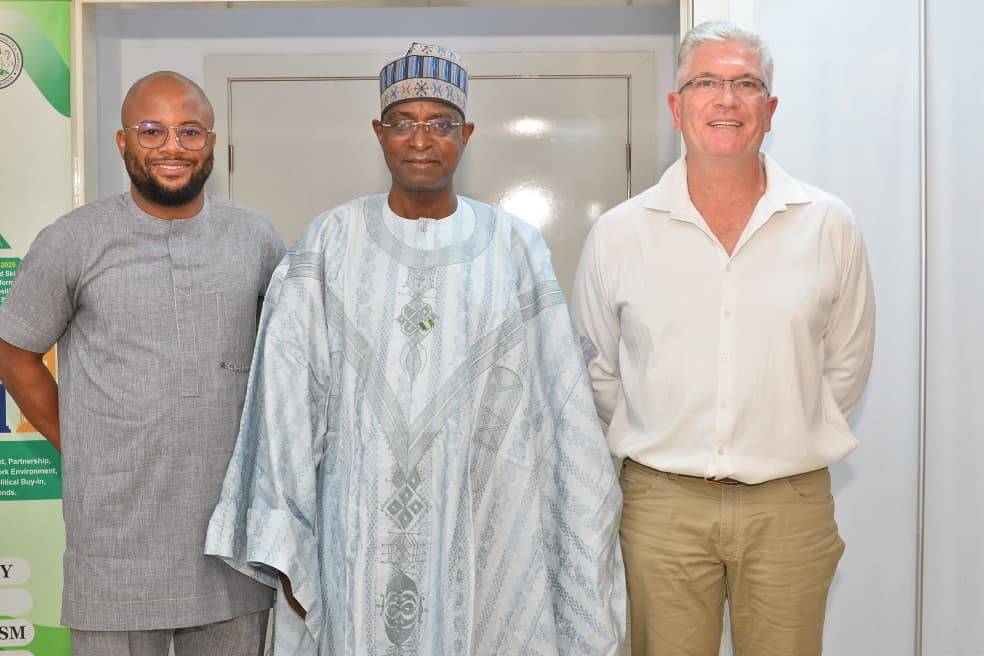
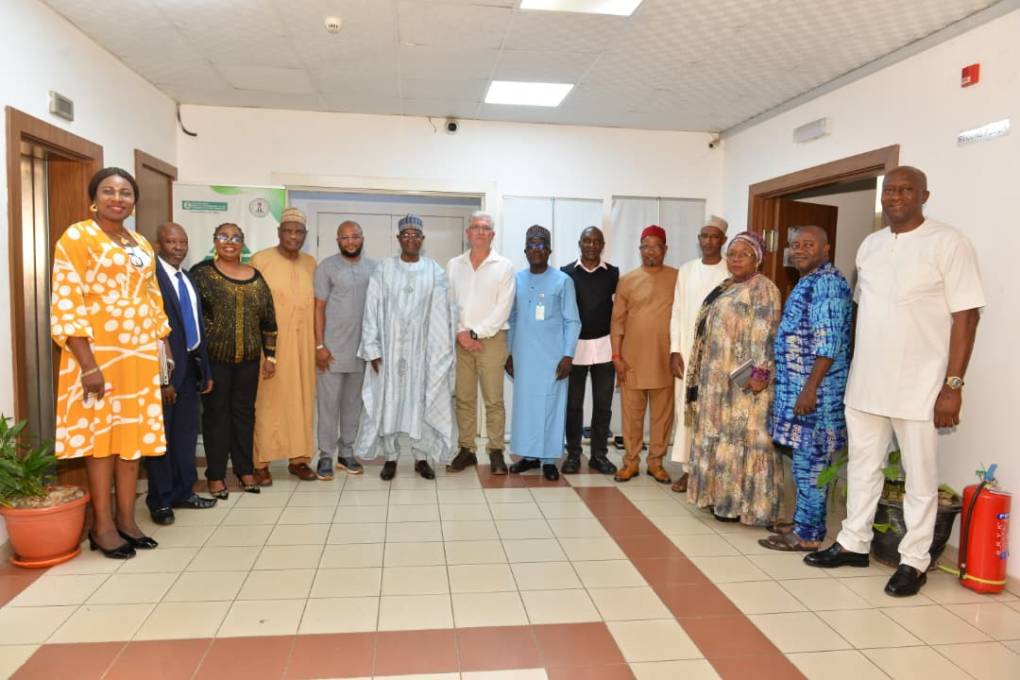
At a meeting held on Wednesday, June 10, with the Managing Director of Valentine Chickens, Leon Gunter, and the company’s National Operations Manager, Samuel Adediji, the Minister of Livestock Development, Idi Mukhtar Maiha, stressed that government interventions in the poultry sector must deliver measurable outcomes for farmers and consumers.
🔍 Explore More
- NRTC English Knowledge Base – Learn, improve, and sharpen your English skills.
- Top Stories From Around the World – Stay informed with the latest global news and insights.
- Specially Curated Listicles – Discover interesting lists, guides, and deep dives selected for our readers.
- Stay Updated: Join our mailing list and never miss the latest articles and updates from NRTC.
“We want a very firm commitment from industry operators. This is about national security, job creation and livelihoods. Government support must translate into increased production, improved availability and better access for farmers across the country,” the Minister said.
ALSO READ: Shettima commends Kukah Centre, ProFuturo partnership, plans digital push for state education boards
Mukhtar disclosed that assessments show a significant proportion of approved poultry allocations have not been fully utilised, creating supply constraints that have driven up the cost of day‑old chicks. He emphasised that public policy must translate into tangible results.
“The objective of the government is clear; to ensure that opportunities created through public policy translate into increased production, lower barriers to entry for farmers, greater affordability, and sustainable growth across the poultry sector,” he explained.
He added that once approvals are granted, operators are expected to deliver. “There is no reason why opportunities created through government support should not translate into increased production.
Going forward, allocations will be closely monitored and linked to performance,” he said. As part of efforts to expand domestic production capacity, Valentine Chickens presented a proposal for a $5.6 million investment in local grandparent stock production infrastructure.
The project, in partnership with Aviagen, a global leader in poultry genetics, aims to reduce dependence on imported parent stock and strengthen Nigeria’s poultry value chain.
“This is not simply the importation of day‑old chicks; it is the importation of genetic capacity that can multiply into millions of locally produced birds and strengthen the country’s poultry industry for the long term,” Leon Gunter explained.
At full capacity, the plan envisions an annual import of 116,800 grandparent breeding chicks, yielding 2 million parent stock females. This would translate into 273 million commercial broiler chickens and 378,000 tons of chicken meat per annum, calculated at a 72 percent carcass yield.
The Ministry emphasised that the creation of a centralised national database to track every imported grandparent stock (GPS) and parent stock (PS) egg and chick is designed to break down entry barriers for smallholder farmers.
It also stressed that the system will boost Nigeria’s historically low poultry per capita consumption and ensure that local supply directly meets the needs of ordinary citizens.
🔍 Explore More
- NRTC English Knowledge Base – Learn, improve, and sharpen your English skills.
- Top Stories From Around the World – Stay informed with the latest global news and insights.
- Specially Curated Listicles – Discover interesting lists, guides, and deep dives selected for our readers.
- Stay Updated: Join our mailing list and never miss the latest articles and updates from NRTC.